A Guide to Choosing Grout for Accessible Showers


Balancing pristine aesthetics, unyielding durability, and the critical demands of long-term maintenance in barrier-free bathroom design.
The Unseen Foundation
More Than Just Filler: Why Grout is Paramount in Accessible Design
In the world of accessible design, particularly in the high-moisture, high-traffic environment of a roll-in or walk-in shower, grout transcends its role as a mere gap-filler between tiles. It becomes a critical component of the shower's ecosystem, directly impacting user safety, hygiene, and the day-to-day reality of maintenance. A poor grout choice can quickly transform a beautiful, accessible sanctuary into a constant source of struggle, plagued by mold, staining, and degradation.
This comprehensive guide to choosing grout for accessible showers is engineered to navigate the complex interplay between form and function. We will delve into the material science of modern grouts, explore the aesthetic implications of color and line width, and ultimately provide a clear framework for selecting a solution that ensures both beauty and long-term peace of mind. For homeowners and designers dedicated to creating truly functional and enduring aging-in-place environments, understanding the nuances of grout is not optional—it's fundamental.
Chapter 1: The Grout Lexicon: A Breakdown of Core Types
The first step in any expert-level guide to shower grout selection involves understanding the fundamental material options. Each type presents a distinct profile of strengths and weaknesses, especially when evaluated for the demanding conditions of an accessible shower.
Cementitious Grout (Sanded & Unsanded)
The industry standard for decades, cementitious grout is a mixture of cement, water, and—depending on the joint width—sand. While cost-effective and familiar to installers, its inherent porosity is a significant liability in accessible showers.
- Pros: Affordable, wide color selection, readily available.
- Cons: Highly porous and will absorb water, soap scum, and bacteria if not meticulously sealed. Requires regular re-sealing (often annually) to prevent staining and mold growth.
- Verdict for Accessibility: A viable budget option only if a strict, consistent sealing and maintenance schedule can be guaranteed. Its high-maintenance nature often conflicts with the goal of an easy-to-care-for accessible space.

Epoxy Grout
A paradigm shift in grout technology, epoxy is a resin-based system comprising a hardener and a resin. When mixed, they create a chemical reaction that results in an incredibly durable, non-porous material. This is often the superior choice when evaluating the best grout for a roll-in shower.
- Pros: Virtually waterproof and non-porous. Inherently stain-proof, chemical-resistant, and repels mold and mildew. Never requires sealing. Offers extreme durability against cracking and chipping.
- Cons: Significantly more expensive in terms of material and labor costs. Installation is more complex and less forgiving, requiring experienced professionals.
- Verdict for Accessibility: The gold standard. Its upfront cost is an investment in drastically reduced long-term maintenance, superior hygiene, and ultimate durability—all critical factors for a safe and functional accessible shower.
Urethane & High-Performance Pre-Mixed Grouts
Occupying the middle ground, these advanced grouts offer a balance of performance and usability. Urethane grout uses a urethane-based binder, while other pre-mixed options use proprietary polymers to achieve impressive stain resistance.
- Pros: Excellent stain resistance (though not quite at epoxy's level). More flexible than cement, providing crack resistance. No sealing required. Easier to install than epoxy.
- Cons: Longer curing times, during which it is sensitive to moisture. Can be more expensive than cementitious grout.
- Verdict for Accessibility: A very strong contender. It provides many of the low-maintenance benefits of epoxy without the same installation challenges and cost, making it a pragmatic choice for many projects.
Chapter 2: The Accessibility Equation: Prioritizing Performance
Beyond the material type, a successful grout selection hinges on evaluating its performance against the specific demands of a barrier-free shower environment.
Water Resistance & Porosity
This is the number one consideration. In a curbless shower, water is ubiquitous. Porous cement grout acts like a sponge, leading to water seeping behind tiles and promoting mold. Non-porous epoxy provides a formidable barrier, protecting the underlying structure.
Ease of Maintenance
For users with limited mobility or energy, difficult cleaning routines are not just an inconvenience—they are a barrier. Epoxy and urethane grouts can be cleaned with simple, non-abrasive sprays and wiped down, whereas sealed cement grout may require specialized cleaners and periodic scrubbing to combat mildew.
Stain & Chemical Resistance
Accessible showers are frequently cleaned and may be exposed to hard water, soap dyes, and therapeutic products. A grout that resists chemical staining and mineral buildup will maintain its appearance and integrity for years, preserving the aesthetic appeal of the space.
Durability & Longevity
Consider the potential for contact with mobility aids like shower chairs or wheelchairs. Epoxy's superior hardness and bond strength make it highly resistant to the chipping, cracking, and abrasion that can degrade lesser grouts over time.
Chapter 3: The Aesthetic Dimension: Grout as a Design Tool
While performance is paramount, aesthetics are crucial for creating a space that feels welcoming, not clinical. Grout color and line width are powerful tools in your design arsenal.
Color Strategy: Contrast vs. Camouflage
Choosing a grout color close to the tile color creates a monolithic, seamless look that can make a space feel larger and more serene. Conversely, a contrasting grout color (e.g., dark grout with light tile) highlights the tile pattern, adding graphic punch and visual interest.
A Critical Insight: Grout for Visual Accessibility
For users with low vision, high-contrast grout can serve a vital functional purpose. A contrasting grout line between the floor and wall tiles can help define the dimensions of the space, improving safety and spatial awareness. This often-overlooked aspect of this complete guide to choosing grout for accessible showers can make a significant difference in usability.
Grout Line Width: The Maintenance Impact
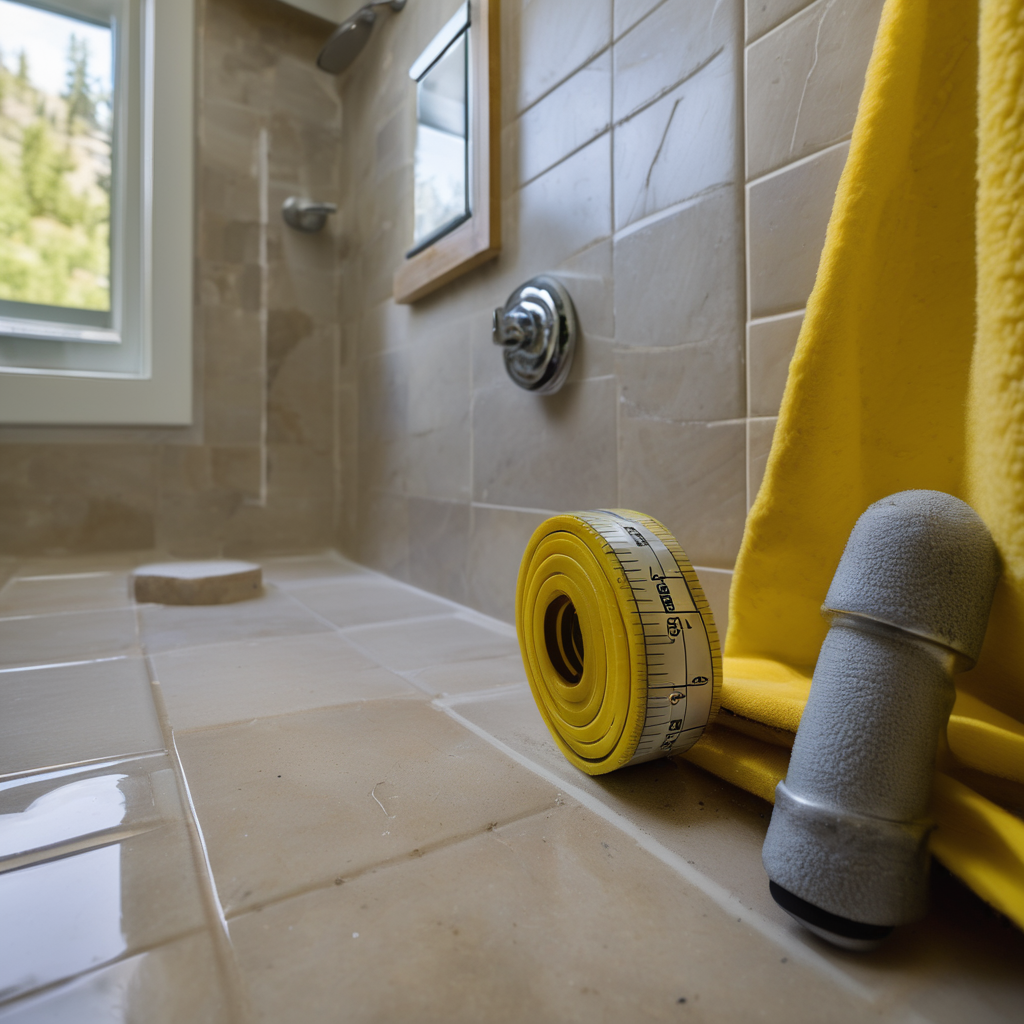
Modern design trends favor large-format tiles with very thin grout lines (1/16" or 1/8"). This not only provides a sleek, contemporary look but also minimizes the amount of grout that needs to be cleaned and maintained. Fewer, thinner lines mean less surface area for soap scum and grime to accumulate.
Frequently Asked Questions (FAQ)
Navigating the specifics of grout selection can be complex. Here are answers to some common questions we encounter.
Is epoxy grout really worth the extra cost for an accessible shower? + -
For the vast majority of accessible shower applications, the answer is a resounding yes. While the upfront material and labor costs are higher, epoxy grout should be viewed as a long-term investment. It eliminates the recurring cost and physical effort of sealing, resists stains and mold that can permanently mar cement grout, and provides superior durability. This "set it and forget it" nature is perfectly aligned with the low-maintenance goal of accessible design, providing value that far exceeds its initial cost over the life of the shower.
How often should I reseal cement grout in a shower? + -
If you opt for traditional cementitious grout, sealing is non-negotiable. For a high-use area like an accessible shower, it should be resealed at least once every 6 to 12 months. A simple way to test if it needs resealing is to sprinkle some water on the grout lines. If the water beads up, the sealer is still effective. If it soaks in and darkens the grout, it's time to clean thoroughly and apply a new coat of high-quality penetrating sealer.
Can I use dark grout in an accessible shower? Are there downsides? + -
Yes, dark grout is an excellent aesthetic and practical choice. Aesthetically, it can create a dramatic, modern look. Practically, it is far more effective at hiding potential stains than white or light-colored grout. The primary downside can occur with cement-based dark grouts, which can show efflorescence (a white, powdery mineral deposit) more readily than lighter colors. However, this is not an issue with non-porous epoxy or urethane grouts, making dark epoxy a superb, low-maintenance choice.
Does grout color affect how quickly it looks dirty? + -
Absolutely. White and very light-colored cementitious grouts are notorious for showing every speck of dirt, soap scum, and early sign of mildew. Mid-tone colors like grey, beige, or taupe are much more forgiving and practical for hiding everyday grime. Dark colors are even better at hiding stains. When balancing aesthetics and long-term maintenance, choosing a mid-tone or dark grout color can significantly reduce the perceived cleaning burden.
An Investment in Independence and Peace of Mind
Ultimately, the choice of grout for an accessible shower is a decision that echoes for years. By prioritizing non-porous, low-maintenance materials like epoxy or high-performance pre-mixed grouts, you are not just choosing a product; you are investing in a safer, more hygienic, and less burdensome environment for the user. It's the thoughtful synthesis of material science and human-centric design that elevates a project from simply being accessible to being truly liberating.