The Unseen Revolution in Accessible Bathrooms: How Bidets are Changing Lives

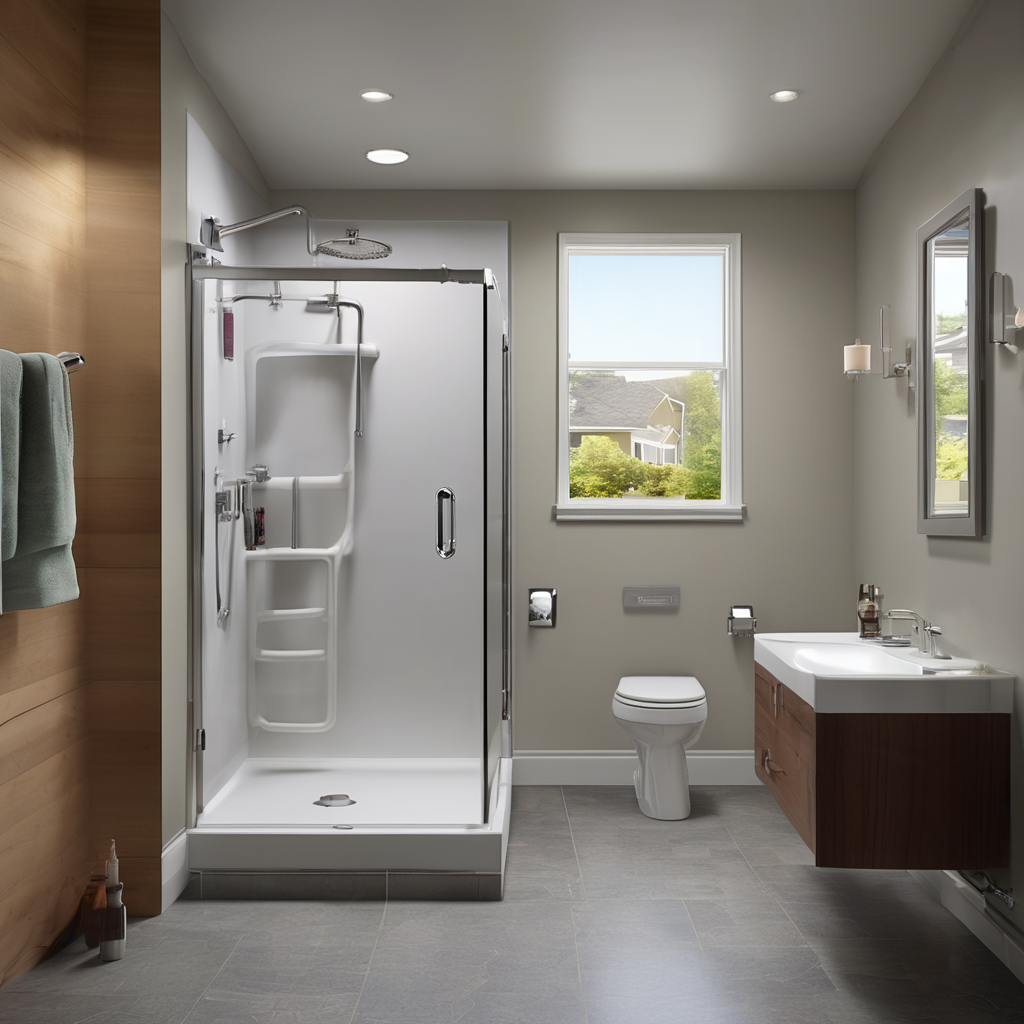
More than a luxury, the modern bidet is a transformative tool of independence. We explore the profound question: can installing a bidet improve bathroom accessibility? The answer is a resounding yes, and it’s reshaping how we approach dignity and autonomy in home design.
The bathroom is a sanctuary of privacy and self-care. Yet, for millions—including seniors aging in place, individuals with disabilities, or those recovering from surgery—it can become a place of daily struggle. The simple act of using the toilet, which most take for granted, often involves challenging physical motions: twisting, reaching, and balancing. These movements can be painful, difficult, or impossible for those with arthritis, limited mobility, or decreased strength. This article is a deep dive into how one elegant piece of technology, the bidet, is providing a powerful solution.
The Core Challenge: Toileting and Mobility
To truly understand the bidet's impact, we must first appreciate the physical hurdles of traditional toileting. The reliance on toilet paper requires a significant range of motion in the shoulders, back, and wrists. For a person with:
- Arthritis: Painful joints can make gripping paper and reaching an agonizing task.
- Parkinson's Disease or Tremors: A lack of fine motor control can make effective cleaning difficult and frustrating.
- Post-Surgery Recovery: After hip, back, or abdominal surgery, doctors strictly forbid twisting and bending, making self-cleaning impossible.
- Obesity or Bariatric Needs: Reaching can be physically impossible, creating significant hygiene challenges.
- General Age-Related Frailty: A simple loss of strength and flexibility can turn a daily routine into a risk for falls or injury.
In these situations, individuals often face a difficult choice: compromise their hygiene or sacrifice their independence by requiring assistance from a caregiver or family member. This is where the bidet fundamentally alters the equation.
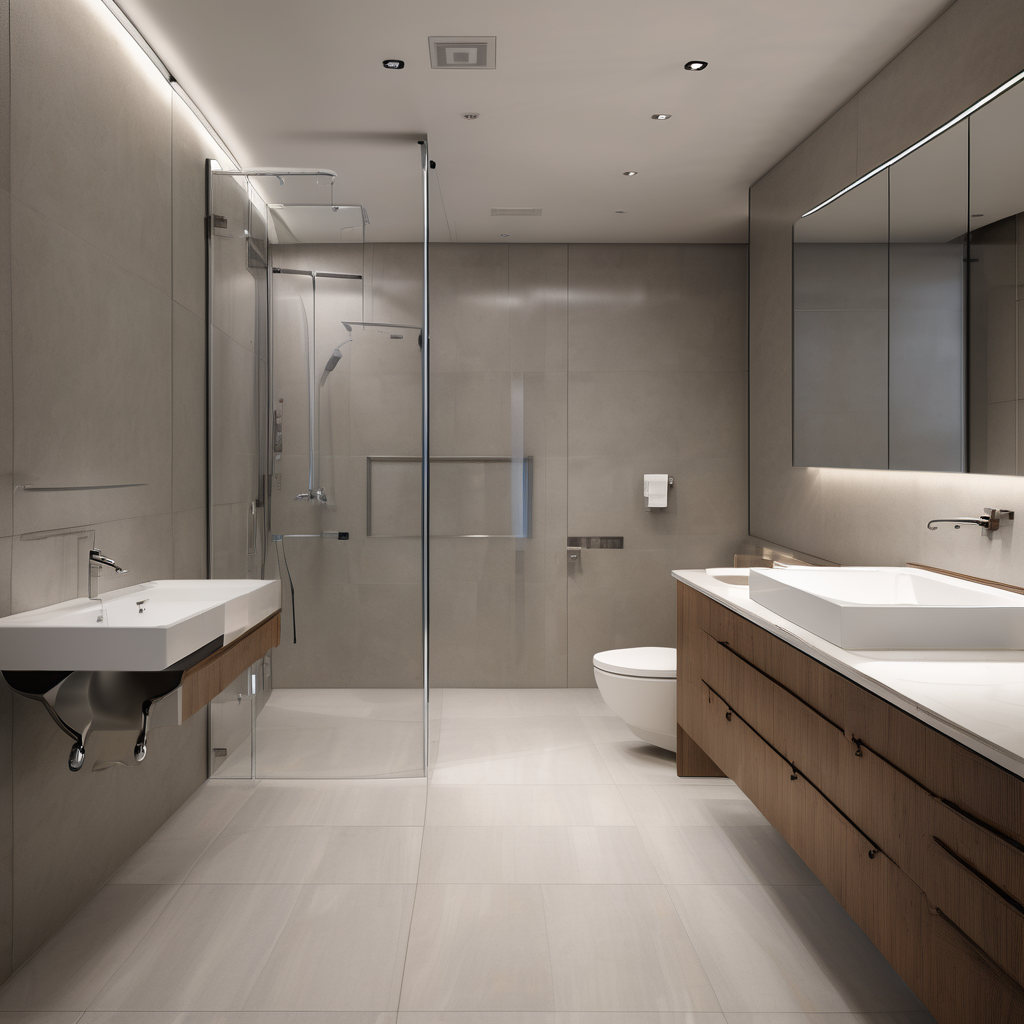
A Cascade of Benefits: How a Bidet Enhances Accessibility
A bidet addresses these challenges head-on by automating the cleaning process with a gentle stream of water. This single function creates a cascade of benefits that directly answer the question of how a bidet helps seniors maintain independence and supports users of all ages with mobility limitations.
1. Eliminates Painful Reaching and Twisting
This is the most immediate and impactful benefit. With the push of a button on a remote or a simple turn of a dial, the bidet's nozzle extends and provides a thorough cleansing. The user remains comfortably seated, eliminating the need for any contortion or strain. This is a game-changer for anyone with back pain, shoulder injuries, or joint stiffness.
2. Promotes Superior Hygiene and Skin Health
Water is a more effective cleaning agent than dry paper. For individuals prone to urinary tract infections (UTIs), rashes, or hemorrhoids, the bidet offers a gentler and more hygienic solution. It reduces skin irritation caused by abrasive paper and minimizes the spread of bacteria. Many electric models also include a warm air dryer, creating a completely hands-free and paperless experience.
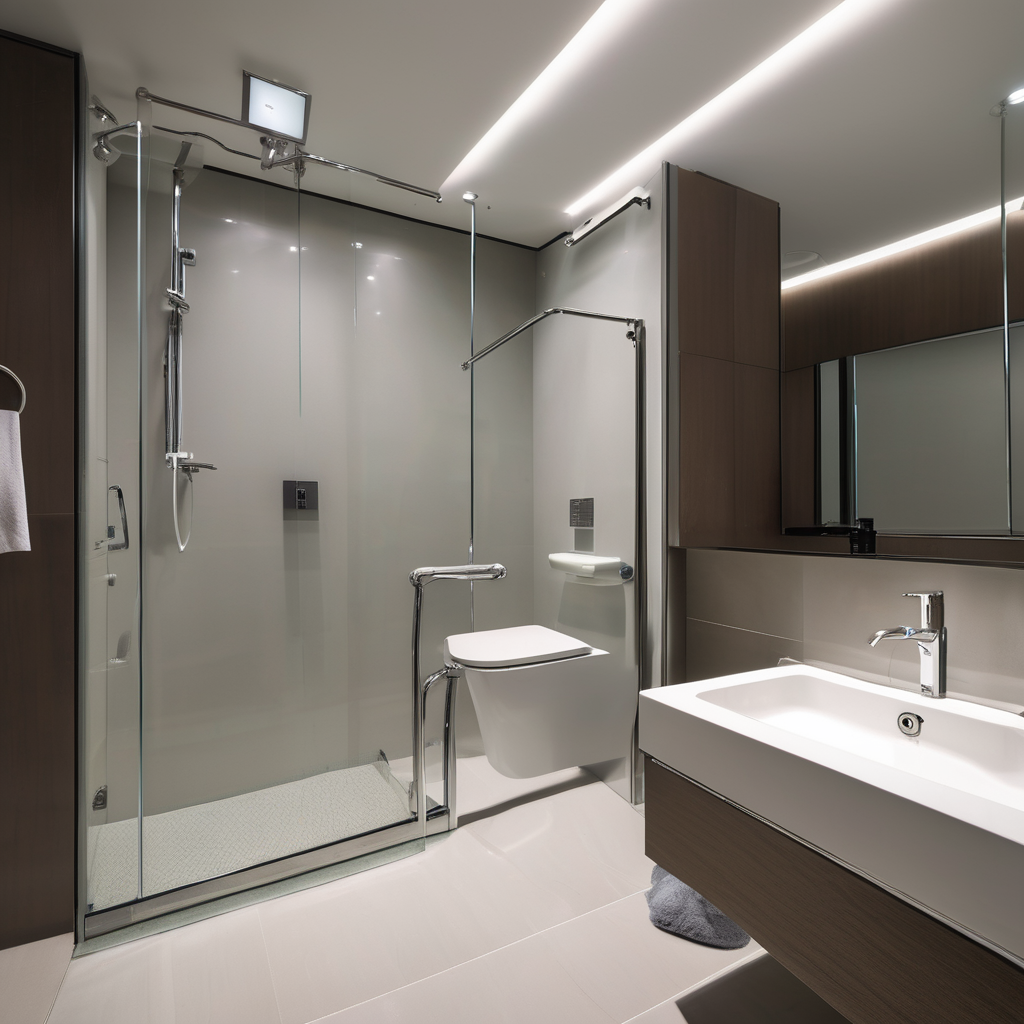
3. Restores Dignity and Fosters Independence
The psychological impact of accessibility cannot be overstated. The ability to manage one's own personal hygiene without assistance is a cornerstone of dignity. By removing a major barrier to self-sufficiency, a bidet can empower users, reduce feelings of dependency, and significantly improve their quality of life. This newfound autonomy also provides peace of mind to family members and reduces the physical and emotional burden on caregivers.
Choosing the Right Bidet: A Guide to Accessibility Features
Not all bidets are created equal, and selecting the right model is crucial for maximizing accessibility. The market offers a range of options, from simple attachments to fully integrated smart toilets. Understanding what are the best bidet features for disabled users is key.
-
Electric Bidet Seats
These replace your existing toilet seat and offer the most comprehensive set of accessibility features. Look for models with a wireless remote control that has large, high-contrast, tactile buttons. Key features include adjustable water temperature and pressure, a heated seat for comfort, an oscillating spray for wider coverage, and a warm air dryer.
-
Bidet Attachments
These fit under your existing toilet seat and are a more budget-friendly option. They are typically non-electric and controlled by a lever or dial on the side of the toilet. While they lack the advanced features of electric seats, they still provide the core benefit of hands-free water cleansing, making them a viable accessibility upgrade.
-
All-in-One Smart Toilets
These integrated units combine a toilet and a bidet into a seamless, high-tech fixture. They often include premium features like an auto-opening and closing lid, automatic flushing, and built-in nightlights, offering the ultimate hands-free experience for users with significant mobility or cognitive impairments.
Installation Note: Powering Your Bidet
Remember that electric bidet seats and smart toilets require a GFCI-protected electrical outlet near the toilet. If you don't have one, a licensed electrician can typically install one quickly and affordably. This is a crucial step for ensuring the safe operation of your new accessibility aid.
Frequently Asked Questions
Are bidets difficult to use for someone with limited hand strength? +
Not at all. This is a primary design consideration for accessibility. Most electric bidet seats come with a wireless remote control featuring large, easy-to-press buttons. Some are even designed with simple icons instead of text. For users who find remotes challenging, bidet attachments with simple, large levers can be an excellent alternative.
Does Medicare or insurance cover the cost of a bidet for accessibility? +
Coverage varies significantly. While traditional Medicare (Part A & B) typically does not cover bidets, some Medicare Advantage (Part C) plans may offer benefits for home modifications or durable medical equipment. It is sometimes possible to get a bidet covered with a letter of medical necessity from a doctor, classifying it as essential hygiene equipment. Always check with your specific insurance provider to understand your coverage options.
How much does it cost to install a bidet for an accessible bathroom? +
The cost depends on the type of bidet. A non-electric bidet attachment can be installed by a handy homeowner in under an hour for under $100. An electric bidet seat can range from $250 to over $1,000, and professional installation is recommended, especially if a new GFCI outlet is needed (typically $150-$300). All-in-one smart toilets are a premium investment, often starting around $1,500 plus installation costs.
Are bidet attachments a good accessibility solution on a budget? +
Absolutely. While they lack luxury features like warm water or an air dryer, bidet attachments provide the most critical accessibility benefit: hands-free cleaning that eliminates the need to twist or reach. For a minimal investment, they can dramatically improve independence and hygiene, making them an excellent starting point for anyone exploring bidet accessibility.
The Verdict: A New Standard in Accessible Design
So, can installing a bidet improve bathroom accessibility? The evidence is clear and overwhelming. By addressing the fundamental challenges of mobility, hygiene, and independence, the bidet transcends its status as a mere plumbing fixture. It becomes an essential tool for empowerment, enabling individuals to maintain their dignity and live more comfortably and safely in their own homes.
As we continue to embrace smarter, more user-centric home design, the bidet stands out not as a luxury, but as a compassionate and practical innovation that sets a new standard for what an accessible bathroom can and should be.