
The Definitive Guide to Designing for Dementia: Critical Bathroom Safety Features for Cognitive Decline

The bathroom is, statistically, the most hazardous room in any home. For a person living with dementia or cognitive decline, its combination of hard surfaces, water, and complex fixtures can transform it from a place of personal care into a landscape of confusion and high risk. This is not merely about preventing falls; it's about preserving dignity, reducing anxiety, and fostering a sense of independence for as long as possible. This guide is your architectural blueprint for that transformation.
We will move beyond generic advice and delve into the core principles of dementia-friendly bathroom design. By understanding the perceptual, cognitive, and physical challenges faced by individuals with conditions like Alzheimer's, we can engineer a space that is not just safer, but truly supportive.
Chapter 1: The 'Why' — Understanding the Unique Bathroom Challenges
To effectively design a bathroom for someone with cognitive decline, we must first step into their world. Their experience of the environment is fundamentally different, and a standard bathroom presents a cascade of potential problems.
Cognitive & Perceptual Hurdles
- Memory and Sequencing: Simple tasks like operating a faucet or flushing a toilet can become confusing multi-step processes. The purpose of objects may be forgotten.
- Visual Perception: Changes in the brain can affect depth perception and color recognition. A dark floor mat on a light floor might be perceived as a hole, causing hesitation or a fall. Reflections in mirrors or glossy tiles can be misinterpreted as another person in the room, causing fear or agitation.
- Agnosia: This is the inability to recognize objects, people, or sounds. A white toilet against a white wall can become effectively invisible.
Physical & Behavioral Shifts
- Balance and Mobility: A decline in physical stability makes navigating wet surfaces, stepping over tub ledges, and sitting or standing incredibly risky. This is where fall prevention strategies in the bathroom for dementia are paramount.
- Anxiety and Agitation: The sound of running water, fear of falling, or feeling cold can make bathing a distressing experience, leading to resistance and a decline in personal hygiene.
Chapter 2: The Foundation of Safety — Flooring, Lighting & Color
Before we address a single fixture, we must perfect the environment itself. These foundational elements are the most critical components of any plan for creating a safe bathroom environment for cognitive decline.
Flooring: The First Line of Defense
The floor is your single greatest opportunity to prevent a fall. The ideal flooring should be:
- Non-Slip: Choose materials with a high coefficient of friction (COF), such as matte-finish luxury vinyl tile (LVT), sheet vinyl, or rubber. Avoid highly polished tile or stone at all costs.
- Non-Glare: A matte finish prevents disorienting reflections and glare.
- Uniform and Pattern-Free: A single, solid color across the entire floor is crucial. Busy patterns, speckles, or even tile grout lines can cause visual confusion, hide hazards, and disrupt depth perception.
Lighting: Illuminating the Path to Safety
Good lighting reduces shadows and anxiety. The goal is bright, even, and glare-free illumination.
- Layered Lighting: Combine general overhead lighting with task-specific lights at the vanity and in the shower. Ensure all areas are well-lit.
- Motion-Sensor Night Lights: Install low-lumen, motion-activated night lights that create a clear, safe path from the bedroom to the toilet for nighttime use.
- Natural Light: Maximize natural light where possible, but be prepared to control it with blinds to prevent glare at certain times of day.
Color & Contrast: A Visual Language for Clarity
High contrast is a non-verbal communication tool. It helps the brain distinguish objects and navigate the space. This is a core tenet of effective bathroom modifications for Alzheimer's patients.
- Fixtures vs. Surfaces: A white toilet and sink should be set against a darker-colored wall or floor to make them "pop" visually.
- Grab Bars: Choose grab bars in a color that contrasts sharply with the wall behind them. A chrome bar on a white tile wall can be hard to see. A dark bronze or black bar is much better.
- Toilet Seat: A brightly colored toilet seat (red, blue, or black) on a white toilet bowl provides a clear and unmissable target, simplifying the toileting process.

Chapter 3: Reimagining Core Fixtures for Safety & Simplicity
With the environment set, we turn to the key interaction points. Every fixture must be re-evaluated through the lens of dementia care.
The Toilet Area
- Comfort Height: An ADA-compliant "comfort height" toilet (17-19 inches high) makes sitting and standing easier and safer.
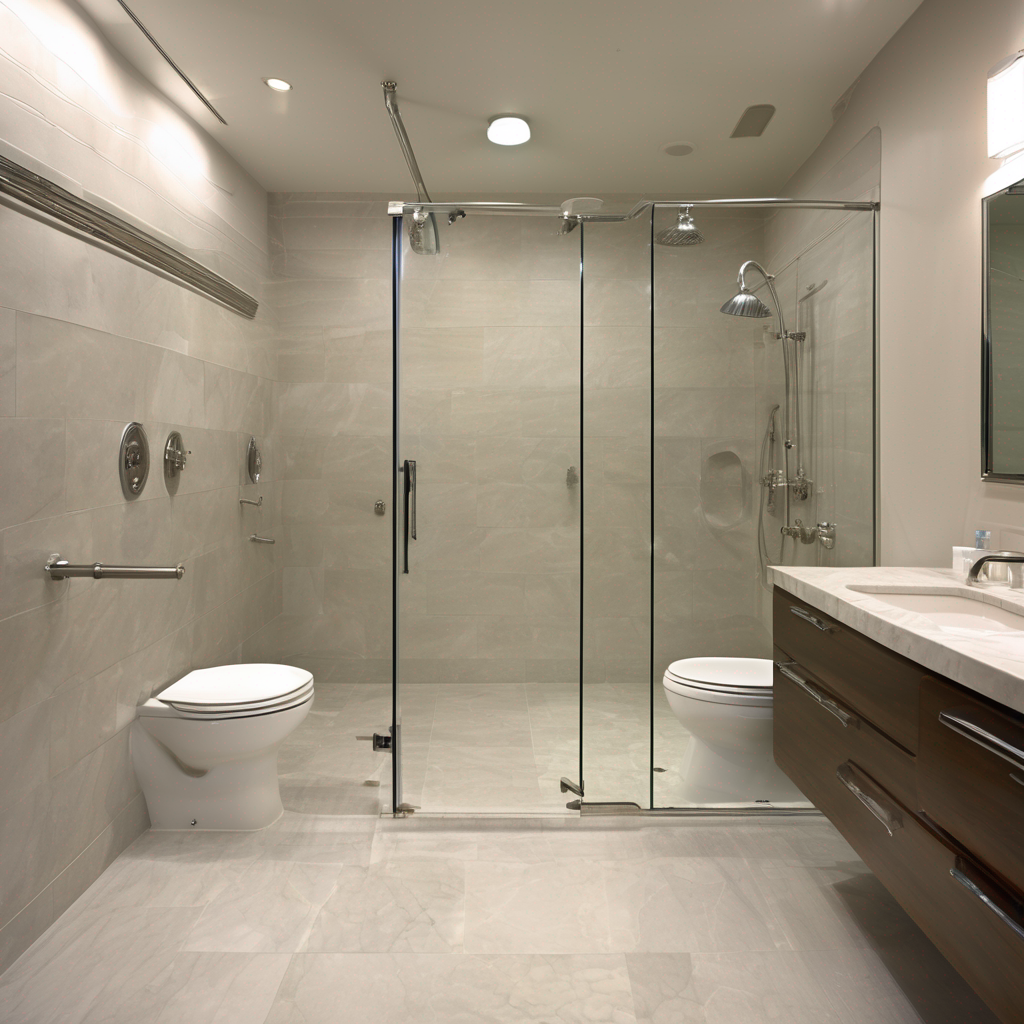
- Grab Bars: Install sturdy, properly anchored grab bars on at least one, and preferably both, sides of the toilet.
- Bidet Seats: A smart toilet or add-on bidet seat with a simple remote can greatly improve hygiene and reduce caregiver assistance.
The Bathing Area: The Gold Standard
Eliminating the need to step over a barrier is the single most impactful change you can make.
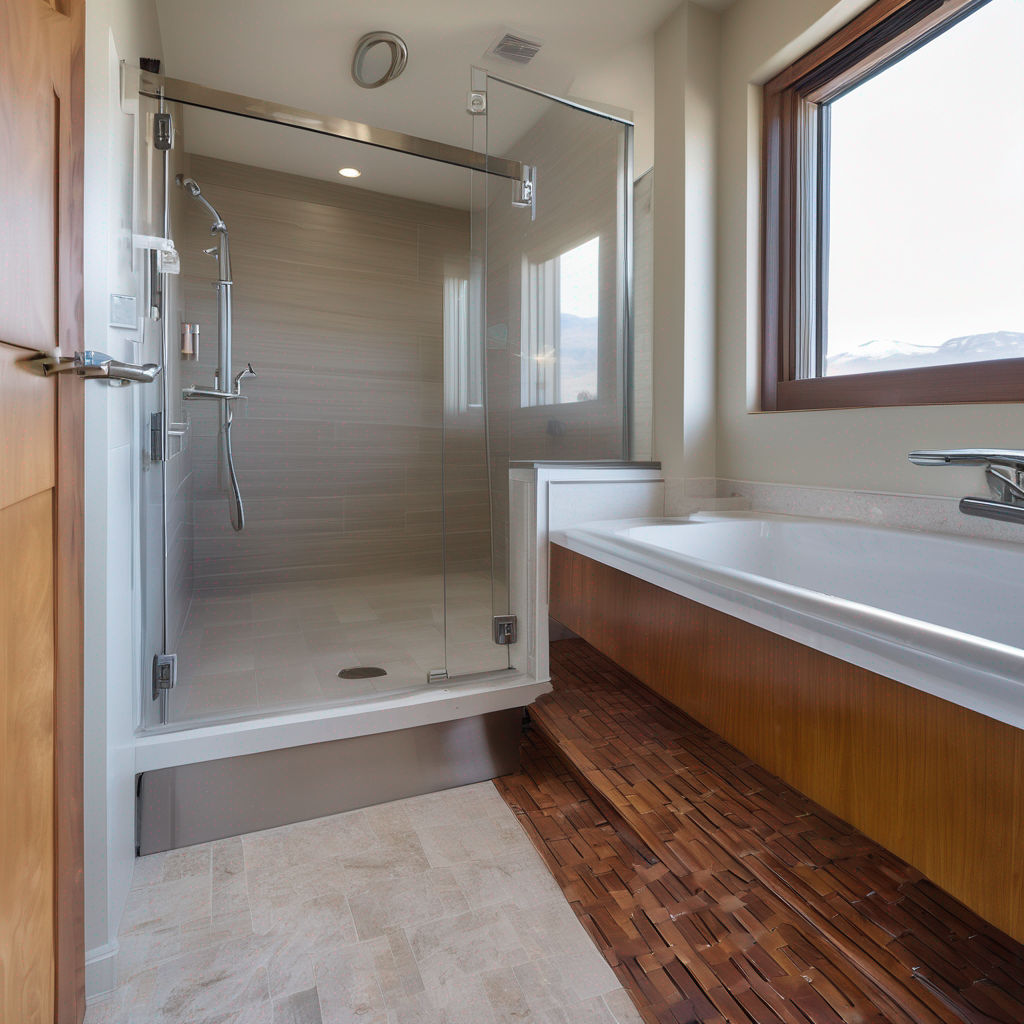
- Curbless, Zero-Threshold Showers: This is the ideal solution. It allows a user to walk or be wheeled directly into the shower stall, completely removing a major trip hazard.
- Shower Seating: A built-in, tiled bench or a sturdy, medical-grade freestanding shower chair is non-negotiable.
- Handheld Showerhead: A long-hosed, handheld sprayer allows for easy bathing while seated and gives a caregiver better control.
- Thermostatic Controls: Install an anti-scald mixing valve that automatically regulates water temperature, preventing burns even if the user turns the handle all the way to hot.
Chapter 4: Final Touches for a Truly Supportive Space
These final details complete the safety puzzle.
- Faucets: Use lever-style handles or touchless, automatic sensor faucets instead of knobs that require twisting.
- Mirrors: If reflections are causing distress, consider removing the mirror over the vanity or replacing it with a non-reflective cabinet.
- Door and Locks: Remove the lock from the bathroom door to prevent accidental lock-ins. Consider changing the door to swing outwards, so it can be opened even if someone has fallen against it.
- Simplify: Remove all clutter. Keep only essential, everyday items visible. Use simple, open storage. Label cabinets or drawers with pictures or large-print words (e.g., "SOAP," "TOWELS").
Implementing these dementia-friendly bathroom design principles is an act of profound care. It creates an environment that reduces stress, minimizes risk, and empowers the individual, fostering safety and preserving dignity in one of the most private spaces of their life.
Frequently Asked Questions
Where should I start if my budget is limited? +
If you can't do a full remodel, focus on the highest-impact, lowest-cost changes first. The top three priorities are:
1. Grab Bars: Install high-contrast grab bars around the toilet and in the shower/tub area. This is the most critical fall-prevention measure.
2. Lighting: Add plug-in motion-sensor night lights and ensure the primary light bulbs are bright and non-glare.
3. Contrast & Clutter: Get a colored toilet seat, remove bathmats (a major trip hazard), and clear all countertops of non-essential items. These changes cost very little but have a huge impact on safety and usability.
Are walk-in tubs a good idea for dementia? +
While often marketed for seniors, walk-in tubs can be problematic for individuals with cognitive decline. The user must sit in the tub while it fills and wait for it to drain completely before they can open the door and get out. This can be a long, cold, and confusing process, often leading to agitation and an increased risk of chills. A curbless, walk-in shower with a comfortable bench is almost always a safer and more practical long-term solution.
How do I handle resistance to bathing from my loved one? +
Resistance often stems from fear, discomfort, or confusion. A safer bathroom design can help significantly. Ensure the room is warm before they enter. A heated floor or a small space heater can make a big difference. Use a handheld showerhead so they can remain seated and have more control. Play calming music. Explain each step simply and calmly. If the environment itself feels secure—well-lit, warm, free of hazards—it can greatly reduce the anxiety associated with bathing.
Should I remove the mirror? It seems drastic. +
This depends entirely on the individual's experience. For some, the mirror is not an issue. For others, particularly in the mid-to-late stages of dementia, they may no longer recognize their own reflection. They may perceive it as a stranger in the room, which can be frightening and cause agitation. Observe their behavior in the bathroom. If they seem startled, talk to the mirror, or appear distressed by it, covering it with a cloth or removing it can instantly make the space feel safer for them. It's a reversible change that can have a major positive impact on their well-being.