Exploring Automated Water Temperature Controls for Advanced Scald Prevention

A deep dive into the technology that powers a safer, more comfortable, and accessible home. From thermostatic valves to smart digital systems, discover the future of home water safety.
The Hidden Danger in Your Pipes
In every home lies an invisible risk: water delivered at temperatures capable of causing severe, life-altering burns in mere seconds. This danger is particularly acute for children, the elderly, and individuals with disabilities or sensory challenges—the very people we strive to protect. While traditional plumbing has served us for decades, the modern home demands a more intelligent, proactive approach to safety.
This guide explores the world of **automated water temperature controls for advanced scald prevention**. We will move beyond simply turning down the water heater and delve into the sophisticated engineering that provides precise, reliable, and instantaneous protection at every tap. This isn't just a safety feature; it's a cornerstone of modern accessible design and a mark of true luxury living.
The Core Technologies: How Automated Scald Prevention Works
Understanding the mechanics behind these safety devices reveals the elegant engineering designed to protect your family.
Thermostatic Mixing Valves (TMVs)
The industry gold standard. A TMV contains a thermostatic element that expands and contracts with water temperature changes. It continuously blends hot and cold water to maintain a consistent, pre-set output temperature, even when water pressure fluctuates elsewhere in the house (like when a toilet is flushed).
Pressure-Balancing Valves
A common and effective solution that works differently. Instead of sensing temperature, it senses pressure. If a sudden drop in cold water pressure occurs, it proportionally reduces the hot water flow to prevent a surge of scalding water. It maintains a consistent ratio, not a specific temperature.
Digital & Smart Valves
The pinnacle of control. These electronically actuated valves use sophisticated sensors to deliver a precise temperature, often displayed on a digital screen. They allow for pre-set profiles, remote operation via apps, and integration into smart home ecosystems, offering unparalleled convenience and safety.
A Closer Look: Types of Anti-Scald Devices
From whole-home solutions to fixture-specific upgrades, the right technology depends on your needs.
Point-of-Use (POU) Controls
These devices, such as an ASSE 1016 compliant thermostatic shower valve, are installed at a single fixture. They are the ideal solution for targeted safety upgrades, especially during a bathroom remodel. Installing a POU thermostatic valve in a walk-in shower ensures that the most vulnerable point of use is perfectly regulated, providing critical protection for accessible bathing solutions.
View Accessible Bathroom Solutions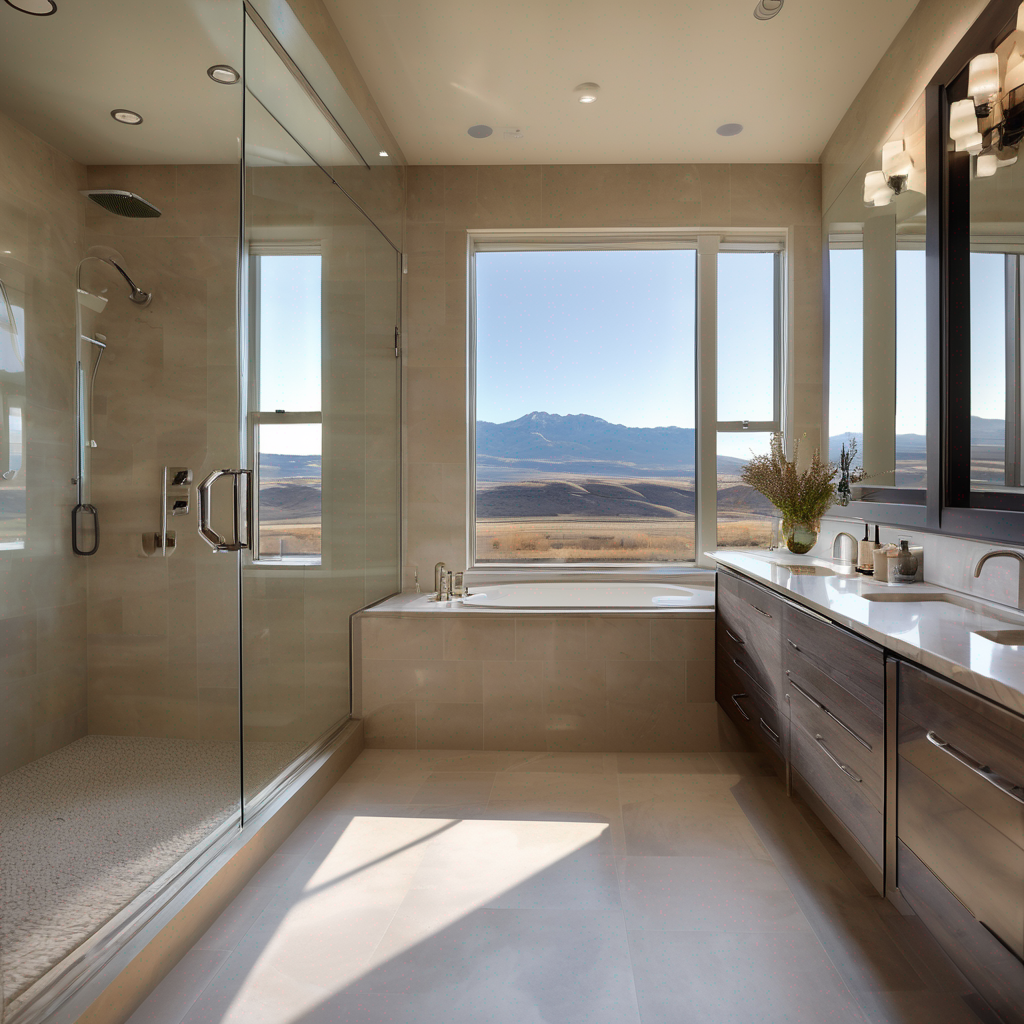
Point-of-Entry (POE) Master Valves
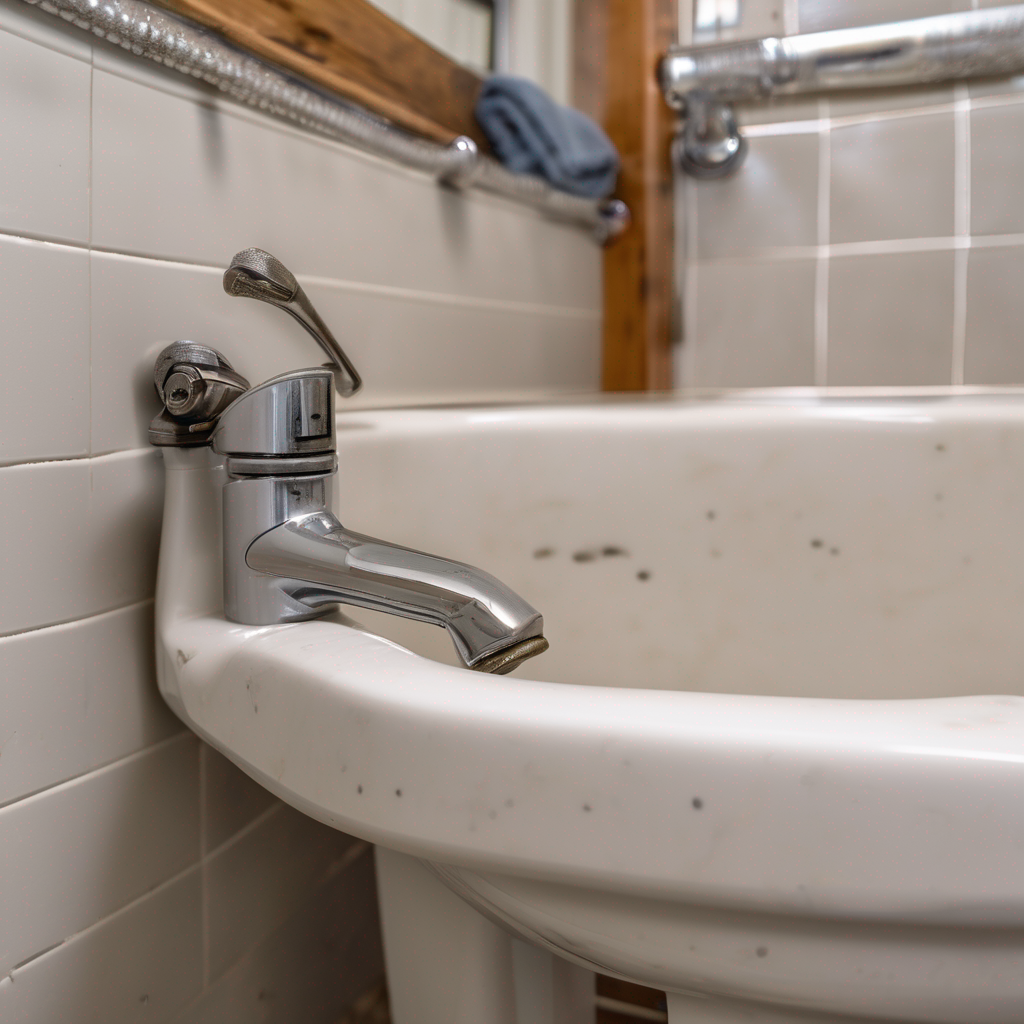
A POE or "Master Mixing Valve" is installed directly after your water heater. This single device tempers the water for your entire home, providing a blanket of protection. It allows you to keep your water heater at a bacteria-killing 140°F while delivering safer ~120°F water to all fixtures. This whole-home strategy is a comprehensive approach to mastering **automated temperature regulation for household safety**.
Integrating Safety into Luxury & Accessible Design
At Urban Design & Remodel, we believe safety and luxury are not mutually exclusive. Automated temperature controls are a non-negotiable element in our accessible bathroom designs and a sophisticated touch in our luxury renovations.
Essential for Accessibility
For users with delayed reaction times or limited sensation, thermostatic valves are a critical safety layer, making ADA-compliant walk-in showers truly safe and dignified.
The Ultimate Comfort
Digital shower systems that remember each user's preferred temperature offer a spa-like experience, elevating a daily routine into a moment of pure, predictable comfort.
Future-Proofing Your Home
Installing advanced scald prevention technology increases your home's value and makes it safer for family members and guests of all ages, adapting to your family's needs over time.
Expert Installation
Proper function depends on correct installation. Our licensed professionals ensure your system is calibrated perfectly and compliant with all local plumbing codes for guaranteed performance.
Frequently Asked Questions About Water Temperature Controls
What's the real difference between a thermostatic and a pressure-balancing valve?
The key difference is what they react to. A pressure-balancing valve reacts to pressure changes to keep the hot/cold ratio the same. If your incoming water temperature changes (e.g., your water heater is in a recovery cycle), your shower temperature will drift. A thermostatic valve reacts to the actual output temperature, actively adjusting the hot/cold mix to hold a precise temperature regardless of pressure or incoming temperature fluctuations. For ultimate safety and comfort, thermostatic is superior.
Is it enough to just turn down my water heater for scald prevention?
While lowering your water heater to 120°F is a recommended first step, it has a significant drawback. Water temperatures below 135-140°F can create a breeding ground for harmful bacteria like Legionella. Using a master mixing valve allows you to keep the tank hot enough to be safe from bacteria while delivering safer, tempered water to your home, offering the best of both worlds.
How do smart shower systems enhance bathroom accessibility?
Smart systems are transformative for accessibility. They can be controlled via a waterproof remote or even voice commands, allowing users or caregivers to start the shower and set a precise, safe temperature without needing to reach and manipulate a traditional valve. Pre-set profiles ensure the water is never accidentally turned on too hot, providing independence and peace of mind.
Can I install an automated temperature control valve myself?
Due to the critical safety function of these devices and the requirements of plumbing codes, professional installation is strongly recommended. A licensed plumber, like the experts at Urban Design & Remodel, will ensure the valve is installed correctly, calibrated for your home's specific conditions, and functions reliably to provide the protection you expect.
Ready to Implement Advanced Water Safety?
Whether you're planning an accessible bathroom remodel or a luxury upgrade, integrating automated water temperature controls is one of the smartest investments you can make. Let's discuss the best solution for your home.