Fixed vs. Handheld Shower Heads: Why Having Both is the Ideal Accessible Solution
Beyond simple preference, the choice of shower head is a critical decision in creating a bathroom that is safe, versatile, and truly accessible for every member of your household, now and in the future.
The Great Debate: More Than Just Water Pressure
For decades, the standard American bathroom featured a simple, wall-mounted fixed shower head. It was a utilitarian fixture, designed for one purpose: to get you clean while standing. But as our understanding of home design has evolved—embracing concepts like universal design, aging-in-place, and multigenerational living—the limitations of this one-size-fits-all approach have become glaringly apparent.
Today, the conversation isn't just about fixed versus handheld; it's about creating a showering environment that adapts to you, not the other way around. This guide explores the strengths and weaknesses of each type and makes the definitive case for why a combination system isn't just a luxury upgrade, but the cornerstone of a modern, accessible bathroom.
Chapter 1: The Enduring Classic – The Fixed Shower Head
A pillar of bathroom design, the fixed shower head offers a straightforward, hands-free experience.
Strengths
Delivers a consistent, immersive spray. Often associated with a clean, minimalist aesthetic and can offer powerful, high-pressure options like rain shower heads for a spa-like feel.
Limitations
Its static position makes it impractical for seated bathing, assisting children or elderly family members, or easily rinsing shower walls. It offers zero flexibility for users with limited mobility.
Chapter 2: The Versatile Challenger – The Handheld Shower Head
The handheld wand introduces a level of control and adaptability that a fixed head simply cannot match.
Strengths
The ultimate tool for accessibility. It allows for comfortable seated bathing, targeted rinsing, and makes it simple for caregivers to provide assistance with dignity. It's also invaluable for cleaning the shower and bathing pets.
Limitations
Requires a hand to operate unless mounted on a bracket, and the hose can sometimes be cumbersome. Aesthetically, it can add more visual clutter to the shower space than a sleek, fixed head.
Chapter 3: The Synthesis – Why Both is the Unbeatable Solution
The argument of fixed vs. handheld presents a false choice. The optimal solution isn't picking one over the other; it's combining them into a single, cohesive system that offers the best of both worlds. This dual-head approach is the gold standard for accessible bathroom design.
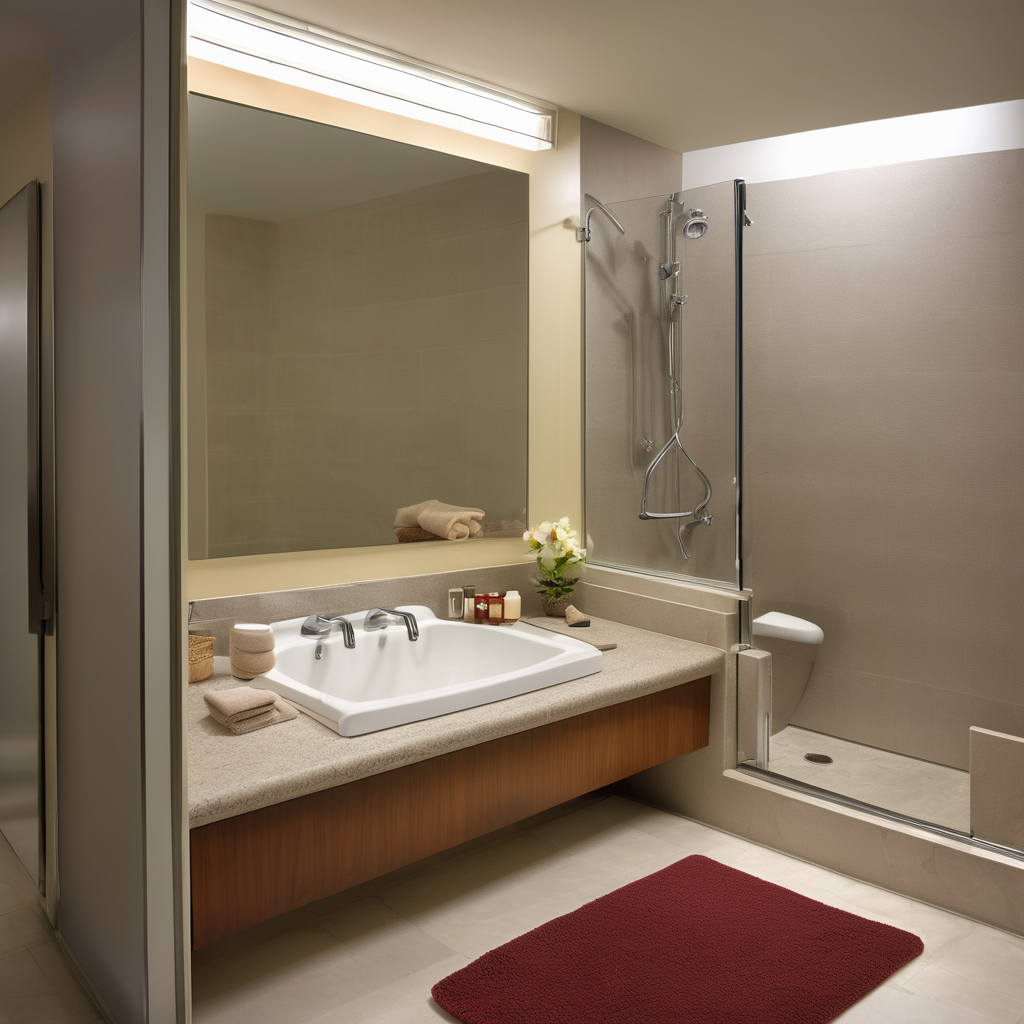
Universal Design in Action
A combination system, typically featuring a fixed head and a handheld wand on an adjustable slide bar, creates a truly universal shower.
-
For Accessibility: A user can shower safely while seated on a shower bench, using the handheld wand. The slide bar allows the wand to be positioned at the perfect height, eliminating the need to stand or reach.
-
For Luxury & Convenience: Enjoy a hands-free, spa-like experience under the fixed rain head. Use the handheld wand for rinsing hair, washing pets, or cleaning the shower enclosure with ease.
-
For Future-Proofing: Installing a dual system today prepares your home for any future mobility challenges, whether from aging, injury, or changing family needs. It's a smart investment in your home's long-term value and livability.
Chapter 4: Key Components of an Ideal Dual-Head System
When planning for a combination of fixed and handheld shower heads, these features are non-negotiable for maximizing accessibility and function.
The Anatomy of a Perfect Shower
-
Adjustable Slide Bar: This is the most critical component for accessibility. It allows the handheld shower head to be positioned at any height, making it perfect for users of all statures, as well as those who are seated.
-
Easy-to-Use Diverter: A simple lever or button that switches the water flow between the fixed head, the handheld, or both simultaneously (on 3-way models). It should be easy to operate with one hand.
-
Long, Flexible Hose: A hose of at least 60-72 inches is recommended to ensure it can comfortably reach all areas of the shower, especially for a seated user.
Frequently Asked Questions About Shower Head Solutions
Yes, in many cases. You can install a shower arm diverter that screws on between the existing shower arm and your fixed head. This diverter has an extra outlet for a handheld hose. While this is a good retrofit option, a full remodel allows for a more integrated and aesthetically pleasing system with a dedicated wall outlet (or "drop ell") for the handheld, which is generally a more robust, long-term solution.
The initial cost of a combination system is higher than a single fixed or handheld unit due to the additional components (diverter valve, slide bar, extra head). Installation can also be slightly more complex, especially if a new wall outlet is required. However, the immense gain in functionality, safety, and future-readiness makes it a high-value investment in any bathroom remodel, particularly for accessible designs.
There are no strict ADA codes for the height of a residential shower slide bar, but the goal is maximum usability. A common practice is to install the bar so that it spans a range from roughly 36 inches to 72 inches off the shower floor. This ensures the handheld head can be lowered for a seated user and raised for a tall, standing user. The most important factor is to install proper wood blocking inside the wall before tiling to ensure the bar is anchored securely.
Absolutely. Modern, high-quality dual shower systems are engineered for excellent performance. The key is the diverter valve. A well-designed valve ensures minimal pressure loss when switching between heads. On 3-way diverters that allow both heads to run simultaneously, you may notice a slight decrease in pressure to each head as the flow is divided, but it is typically still more than sufficient for a comfortable shower.
Ready to Build a Better, More Accessible Bathroom?
The right shower system is the heart of a safe and functional bathroom. At Urban Design & Remodel, we specialize in creating beautiful, ADA-compliant spaces that blend safety with luxury. Let us help you design a shower that meets your needs today and tomorrow.