
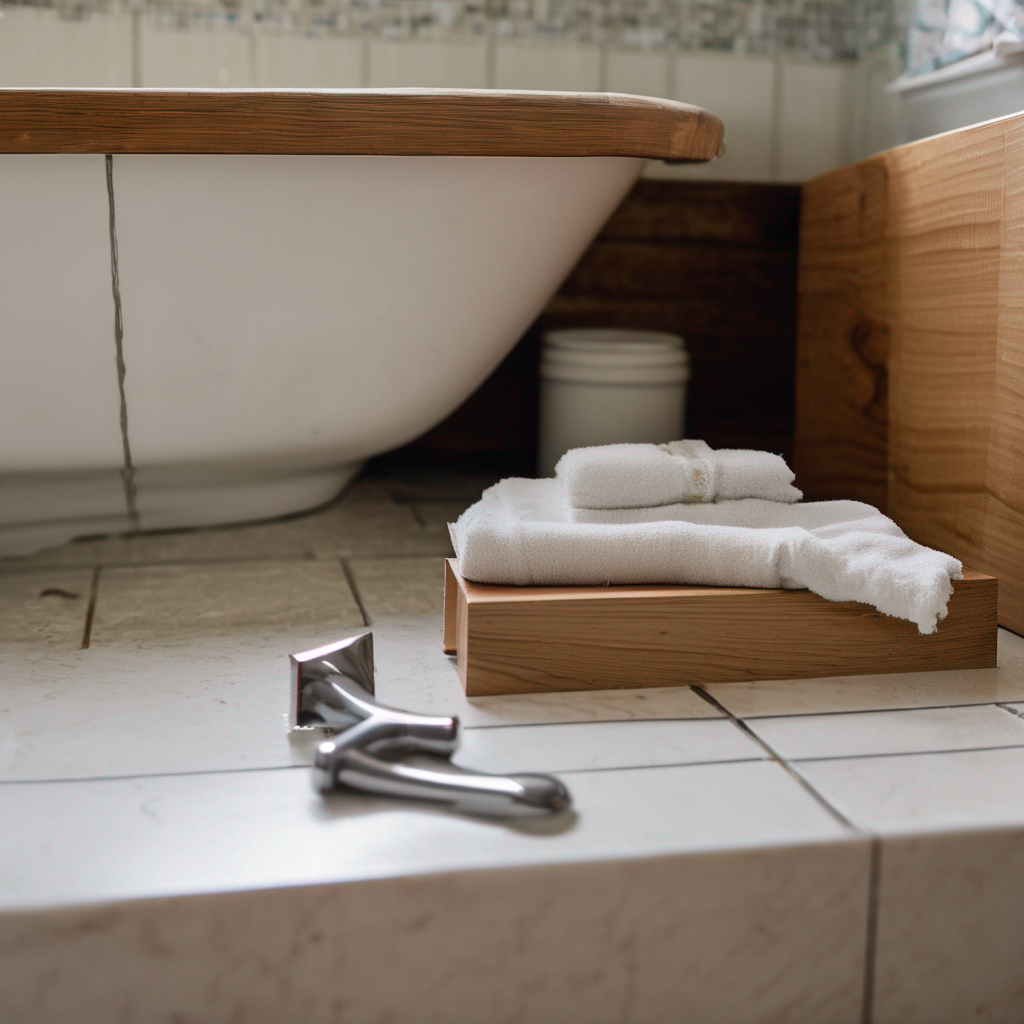
The Walk-In Tub Paradox: A Safety Icon with Hidden Risks
For decades, the walk-in tub has been championed as the gold standard for bathroom safety, a symbol of independence for seniors and individuals with mobility challenges. Its promise is simple and powerful: a bathing experience free from the perilous step over a high tub wall. But as home accessibility science evolves, a critical question emerges: is a walk-in tub always the safest option?
This guide moves beyond the surface-level sales pitch. We will conduct a rigorous, evidence-based exploration into the nuanced reality of walk-in tubs, dissecting not just their celebrated advantages but also their often-overlooked drawbacks. The goal isn't to dismiss them, but to empower you with a 360-degree view, ensuring the solution you choose is genuinely the safest for your unique circumstances.
The Deep Dive
The Pros vs. Cons: A Balanced Analysis
To truly understand the complete safety profile of walk-in tubs, we must weigh their intended benefits against their practical, real-world limitations.
The Unquestionable Allure: The Pros
Walk-in tubs rose to prominence for very good reasons. Their design directly addresses the most common causes of bathroom accidents.
-
Drastic Fall-Risk Reduction
The core benefit is the low, step-in threshold, typically only a few inches high. This virtually eliminates the need to lift a leg high over a tub wall—a primary cause of slips and falls for those with balance, strength, or flexibility issues.
-
Therapeutic Benefits and Comfort
The deep, upright seating position allows for a full-body soak that is impossible in a standard tub. Many models come equipped with hydrotherapy jets (for muscle relief), aromatherapy systems, and chromatherapy (colored lights), turning a bath into a spa-like experience that can alleviate arthritis, poor circulation, and stress.
-
Integrated Safety Features
Beyond the door, these tubs are engineered for safety. Standard features include textured, anti-slip flooring, strategically placed grab bars, and contoured, chair-height seats, creating a secure and stable environment from entry to exit.
A Dose of Reality: The Cons & Hidden Dangers
Considering the potential drawbacks of walk-in tubs is not negativity; it's due diligence for your long-term safety and comfort.
-
The Chilling Wait: Fill and Drain Times
This is arguably the most significant, yet least discussed, safety risk. You must enter the tub, close the watertight door, and then sit and wait for it to fill. After bathing, you must wait for it to completely drain before opening the door. This can take 5-15 minutes on each end, during which you are seated, wet, and exposed to the air. For older adults, this poses a very real risk of chilling and hypothermia.
-
The Emergency Exit Problem
In a medical emergency (fainting, shortness of breath, a cardiac event), the door cannot be opened while the tub is full. This creates a critical delay for first responders. The water must be drained first, which can feel like an eternity in a crisis. This single point makes many reconsider if a walk-in tub is really the safest bathroom modification.
-
Limited Caregiver Accessibility
The high walls that make a deep soak possible also make it extremely difficult for a caregiver to assist with bathing. They must reach awkwardly over the high sides, increasing the risk of strain for the caregiver and potentially inefficient or uncomfortable assistance for the bather.
Beyond the Binary
Exploring Safer Alternatives
The question "are there safer options than a walk-in tub?" has a resounding answer: yes. The safest choice depends on anticipating future needs, not just solving today's problem.
The Curbless / Roll-In Shower
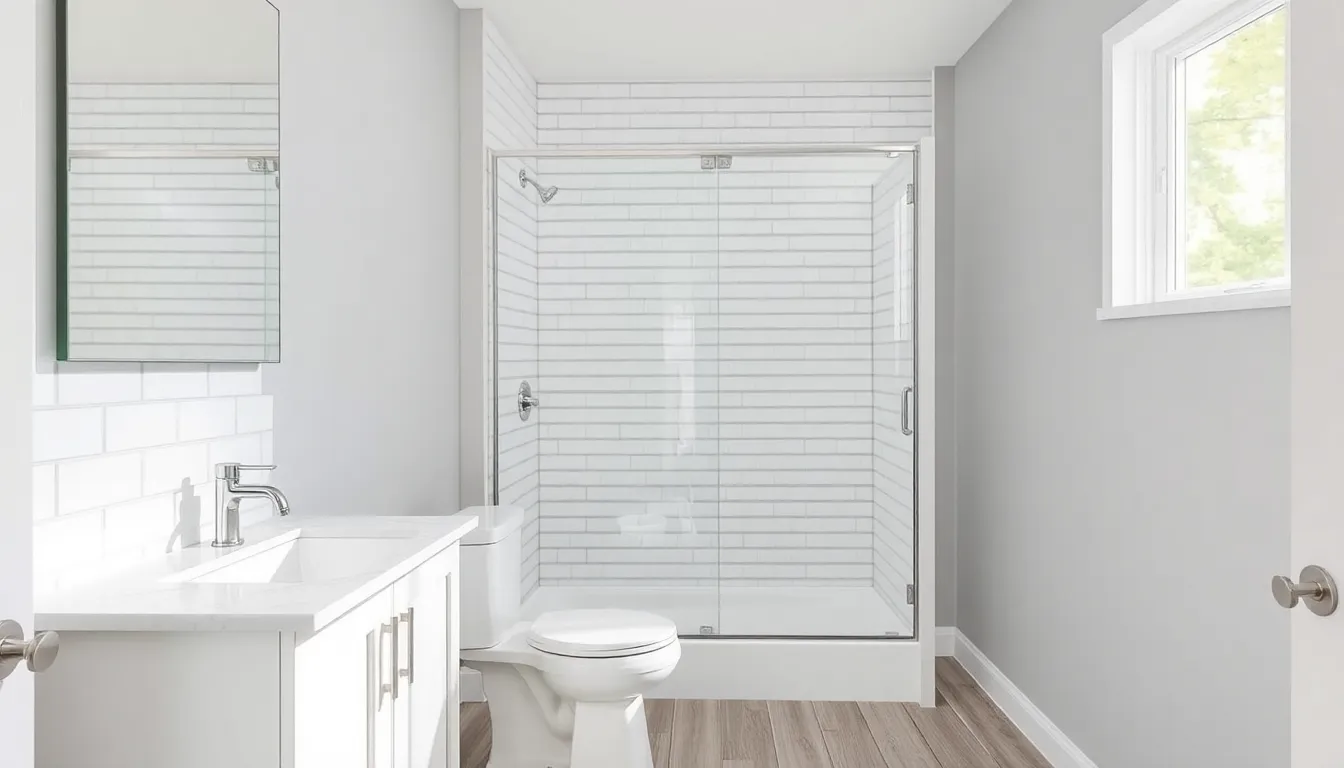
This is often the superior solution recommended by occupational therapists and certified aging-in-place specialists. With zero threshold, it allows seamless entry for walkers and wheelchairs. Paired with a fold-down bench, multiple grab bars, and a handheld shower wand, it offers maximum accessibility, eliminates the "chilling wait," and is far easier for caregivers to use.
Bath Lifts and Transfer Benches
For those who love their existing bathtub but struggle with entry/exit, these are excellent, less permanent, and more affordable modifications. A transfer bench allows a user to sit outside the tub and slide over, while a mechanical bath lift lowers and raises the user into the water, eliminating almost all risk.
The Verdict: Safety is Personal, Not Universal
The safest bathing solution is not a specific product, but a personalized strategy. It's the one that best matches your current mobility, your home's architecture, your budget, and—most importantly—your probable future needs.
A walk-in tub can be a fantastic and safe choice for someone with moderate, stable mobility issues who loves to soak. However, for an individual with a progressive condition, who may one day need a wheelchair or significant caregiver assistance, the investment could quickly become a beautiful, expensive, and ultimately unsafe obstacle.
Before making a decision, consult with an occupational therapist or a Certified Aging-in-Place Specialist (CAPS). They can provide a professional, unbiased assessment of your specific situation to help you navigate the pros and cons of walk-in tubs vs. other accessibility options.
Frequently Asked Questions
Getting the right answers is crucial for your safety and peace of mind.
Are walk-in tubs covered by Medicare?
Typically, Original Medicare (Part A and Part B) does not cover walk-in tubs as they are not considered "durable medical equipment" (DME). However, some Medicare Advantage (Part C) plans may offer benefits that can help with the cost, sometimes through a supplemental home modification allowance. It is essential to check the specific details of your individual plan. In some rare cases, if prescribed by a doctor as a medical necessity for a specific condition, you may be able to get partial reimbursement, but this is not common.
How do you clean the jets to prevent bacteria?
This is a critical maintenance task. To clean the jets, you should fill the tub with hot water to a level a few inches above the highest jet. Add a cleaning agent—either a specialized jet cleaner, a few tablespoons of powdered dishwasher detergent, or a half-cup of white vinegar. Then, run the jets for 15-20 minutes. After, drain the tub completely and refill with cool water, running the jets again for another 10 minutes to rinse the system. This should be done monthly to prevent the buildup of biofilm and bacteria.
What happens if the power goes out while I'm in the tub?
This depends on the tub's features. The door seal is mechanical and not reliant on power. The main issue is the drain. Most walk-in tubs use a standard gravity drain, which will work without power. However, models with rapid-drain pumps will not function, and you will have to wait for the slower, standard drain. Any therapeutic features like jets or heated seats will also stop working. You will not be trapped, but the draining process could be significantly longer, increasing the risk of getting chilled.
What's more dangerous: the wait time in a walk-in tub or a slippery shower floor?
This is the central dilemma. A slippery floor presents an acute, immediate risk of a fall, which can cause fractures and serious injury. The wait time in a walk-in tub presents a prolonged, systemic risk (hypothermia, discomfort) and a situational risk (inability to exit in an emergency). Both are serious. However, the risk of a slippery shower floor can be heavily mitigated with non-slip mats, grab bars, a shower chair, and proper lighting. The risks associated with the walk-in tub's design—the wait time and emergency exit problem—are inherent and cannot be easily mitigated. Therefore, many experts argue that a properly modified shower is a safer long-term solution.