Regaining Independence: How a Thoughtful Bathroom Remodel Can Transform Daily Life

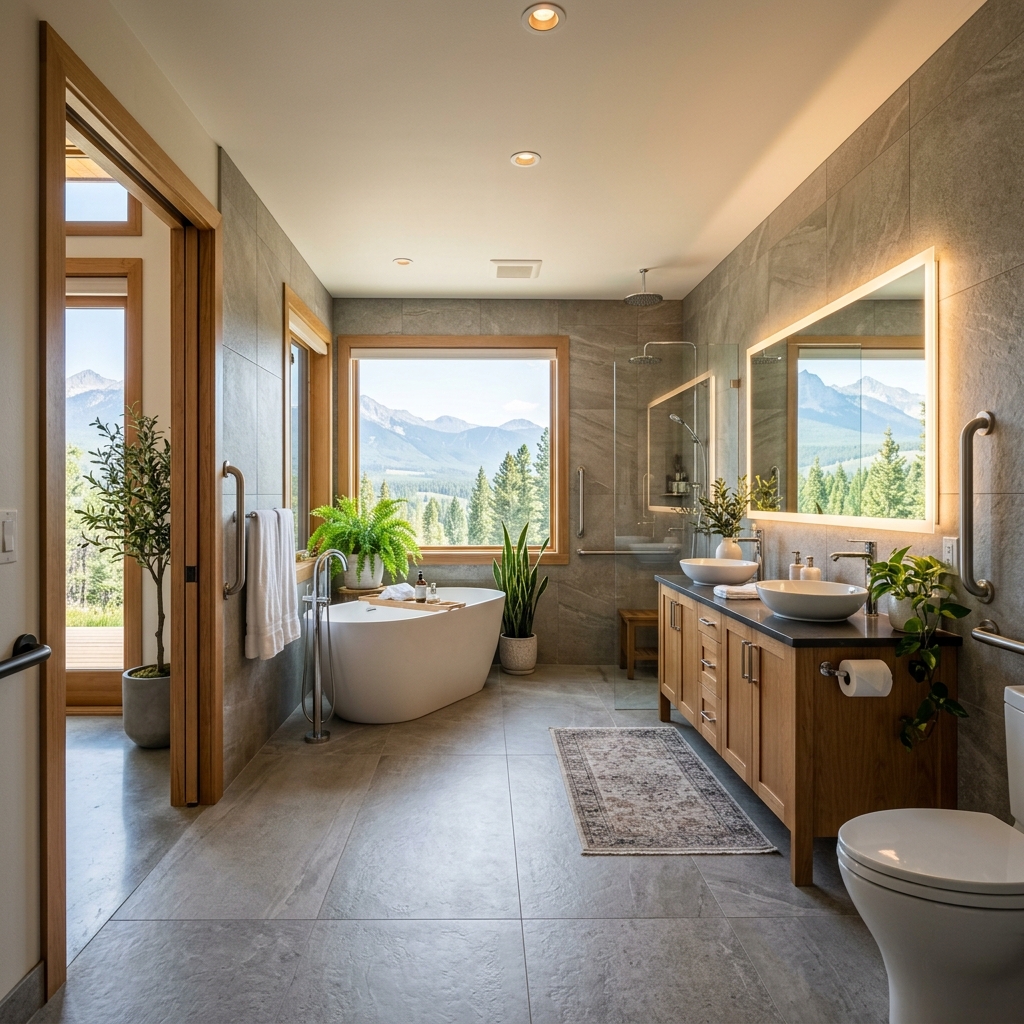
This is not just about tile and fixtures. It's a deep dive into how strategic design in the most personal of spaces can restore autonomy, ensure safety, and profoundly enhance quality of life for years to come.
The Blueprint for Autonomy
More Than a Room: The Psychology of an Empowering Space
For many, the daily rituals performed in the bathroom are deeply personal and private. As mobility changes, whether due to age, injury, or a chronic condition, this space can subtly transform from a sanctuary into a source of anxiety. The fear of a slip, the difficulty of navigating a high tub wall, or the strain of using a low toilet can chip away at confidence. This is where transforming daily life with a bathroom remodel becomes a powerful, proactive statement. It's about reclaiming a fundamental part of one's daily routine, reinforcing dignity, and silencing the quiet worries that can accompany physical limitations.
The Core Pillars of a Bathroom Designed for Independence
A truly effective accessible bathroom is a symphony of carefully chosen elements, each playing a critical role in safety, comfort, and ease of use. It's about deconstructing potential hazards and rebuilding the space with intention. Here’s how a bathroom renovation can restore independence, piece by piece.
1. The Foundation: Zero-Threshold Living
The journey to a safer bathroom begins at the floor. A single step or threshold can be a significant barrier. We focus on:
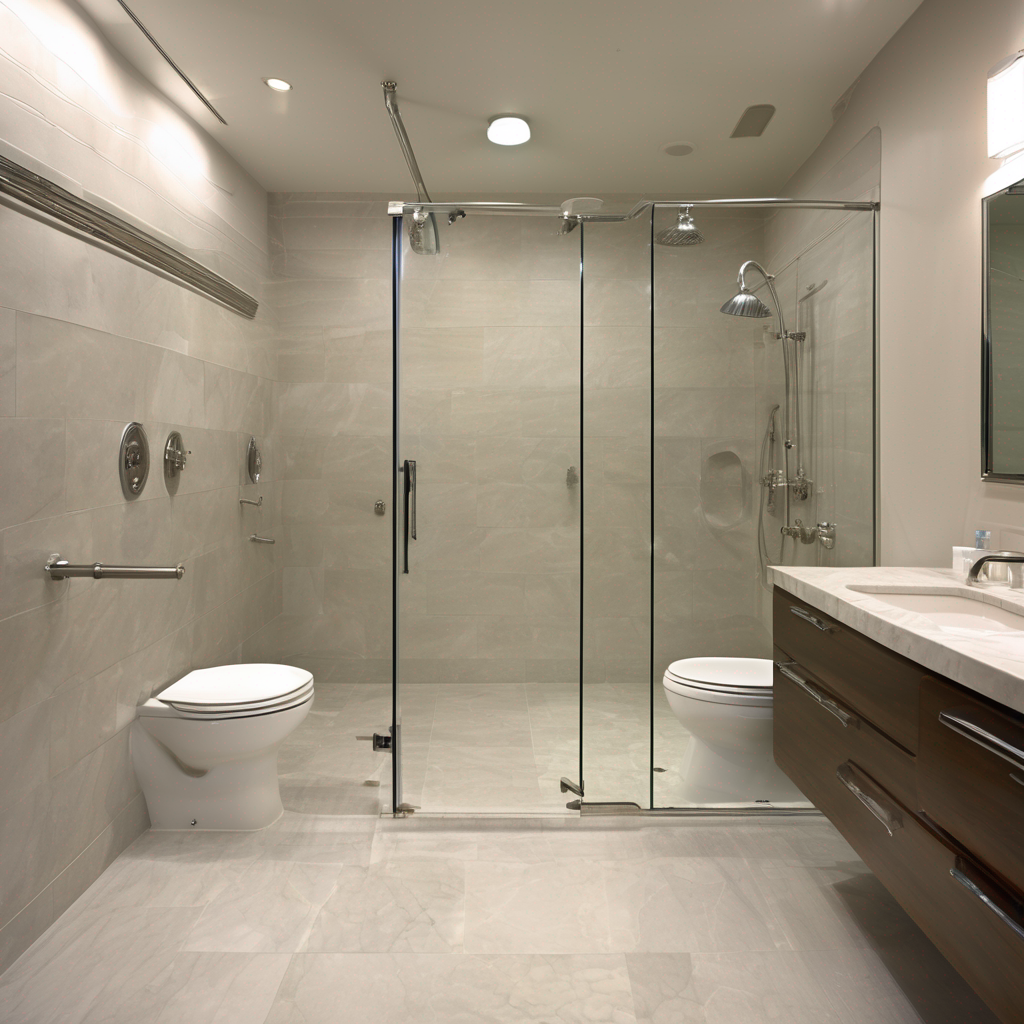
- Curbless, Zero-Threshold Showers: The single most impactful change. This removes the need to step over any barrier, allowing for seamless entry for those who walk, use a walker, or require a wheelchair.
- High-Traction Flooring: We utilize textured porcelain, luxury vinyl tile, or other materials with a high coefficient of friction (COF) rating to dramatically reduce the risk of slips, even when wet.
2. The Sanctuary: Smart Showering & Bathing
The wettest area of the bathroom demands the most attention. Our designs integrate safety so seamlessly it feels like a luxury.
- Integrated Grab Bars: Forget institutional-looking hardware. Modern grab bars are stylish, available in various finishes, and can be placed exactly where you need them—for entering, exiting, and stability while showering.
- Shower Benches & Handheld Wands: A built-in or fold-down bench provides a secure, comfortable place to sit, reducing fatigue and fall risk. Paired with a handheld shower wand on a sliding bar, it allows for complete control and independence.
3. The Essentials: Ergonomic Fixtures
Every interaction matters. We optimize the small details that make a huge difference in daily comfort and safety.
- Comfort-Height Toilets: Typically 2-3 inches taller than standard models, these toilets reduce the strain on knees and back, making sitting and standing significantly easier.
- Lever-Handle Faucets: Unlike twist-knobs that can be difficult for those with arthritis or limited hand strength, lever handles are easy to operate with a simple push or pull.
Future-Proofing Your Home: The Power of Universal Design
A crucial concept behind a thoughtful bathroom design for independent living is Universal Design. This isn't about creating a space that looks clinical or is only for "seniors." It's the art and science of designing an environment that is usable by all people, to the greatest extent possible, without the need for adaptation or specialized design.
Think about it: a curbless shower isn't just for someone in a wheelchair. It's also safer for a child, easier to clean, and more convenient for someone recovering from a temporary sports injury. A floating vanity with open space underneath is not only accessible for seated users but also creates a sense of spaciousness and modern aesthetic.
By embracing Universal Design, you're not just remodeling for today's needs; you're making a wise, long-term investment. You're creating a home that can adapt with you through every stage of life, ensuring that regaining freedom through an accessible bathroom update is a permanent reality. This approach often enhances, rather than detracts from, your home's resale value, as it appeals to a much broader range of potential buyers seeking a home built for a lifetime.
Frequently Asked Questions About Bathroom Remodels for Independence
Embarking on a remodel is a big decision. Here are answers to some of the most common questions we encounter.
What's the difference between an "accessible" and an "ADA-compliant" bathroom?
This is a fantastic question. "ADA-compliant" refers to strict guidelines from the Americans with Disabilities Act, which are legal requirements for public and commercial spaces. They dictate exact measurements for clearances, grab bar placement, sink height, etc. While these are an excellent reference, a residential "accessible" bathroom can be more personalized. We use ADA guidelines as a starting point but tailor the design to your specific body, needs, and home layout, ensuring optimal comfort and usability for you, which can sometimes differ from the one-size-fits-all commercial standard.
Will an accessible bathroom remodel decrease my home's resale value?
Quite the opposite, when done thoughtfully. The key is to use the principles of Universal Design. A stylish, modern bathroom with a beautiful curbless shower, elegant grab bars that double as towel racks, and excellent lighting is a premium feature. It appeals not only to buyers with current mobility needs but also to those planning for their "forever home" and to families with young children. A well-designed accessible bathroom is a mark of quality and foresight, making your home more attractive to a wider audience.
What are the most critical safety features to include for aging in place?
If we had to prioritize, the top three would be: 1) A zero-threshold shower to eliminate the number one trip hazard. 2) Properly installed grab bars in the shower and near the toilet, anchored into wall studs to support full body weight. 3) Excellent, layered lighting, including task lighting at the vanity and a low-wattage night light, to ensure visibility at all hours. These three elements address the most common causes of bathroom accidents.
Can I make my bathroom more accessible without a full remodel?
Absolutely. While a full remodel provides the most comprehensive solution, smaller modifications can make a significant impact. Installing grab bars, adding a quality shower chair, swapping the toilet for a comfort-height model, changing faucets to lever-style, and improving lighting are all high-impact upgrades that can be done with less disruption. It's a great way to start the process of reclaiming your space.
Transform Your Space, Reclaim Your Day
A thoughtful bathroom remodel is more than a home improvement project—it's an investment in a future filled with confidence, safety, and independence. It’s time to transform the most personal space in your home from a source of anxiety into a symbol of your enduring autonomy.