Smart Toilets and Bidets: A Worthwhile Investment for Accessibility?

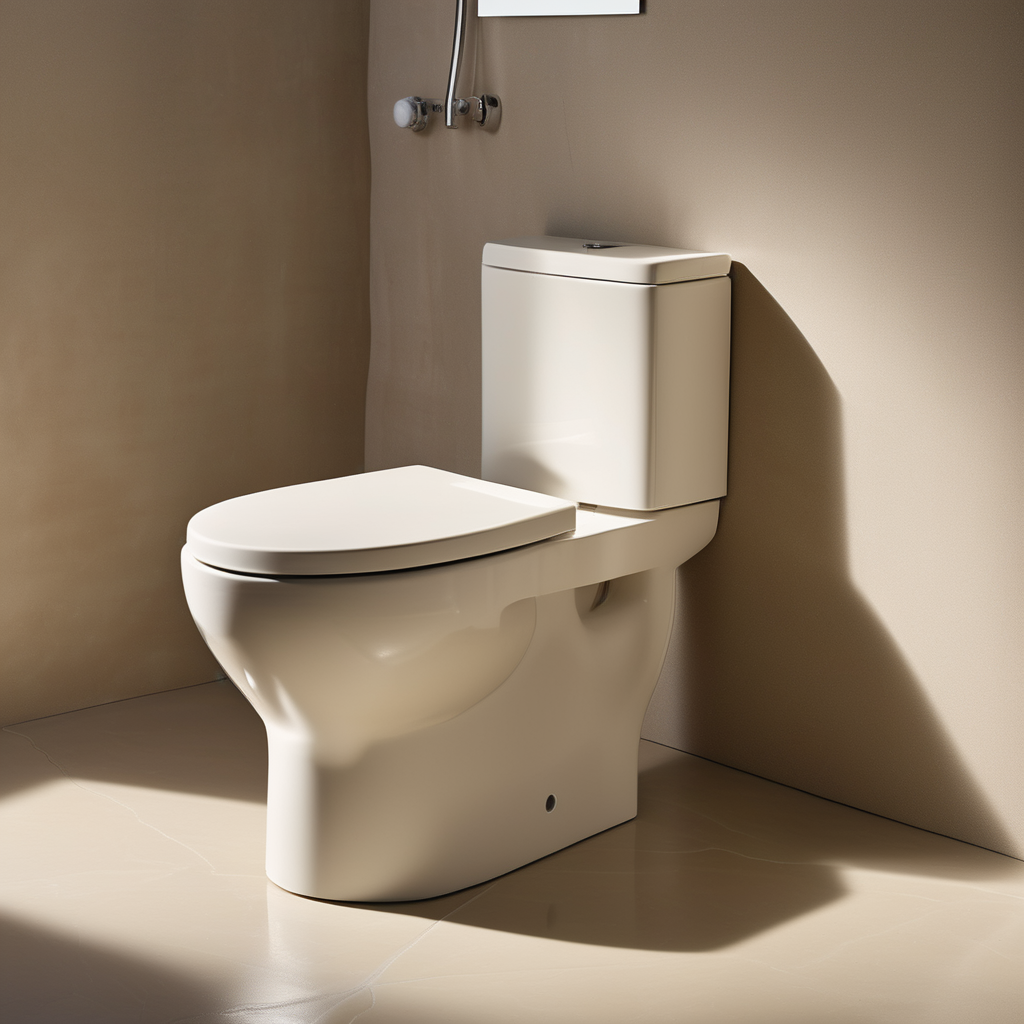
The bathroom is a sanctuary of privacy, but for millions, it represents a daily hurdle. This guide moves beyond luxury to explore how smart bathroom technology is fundamentally reshaping independence, dignity, and safety for individuals with mobility challenges and those aging in place.
Decoding the Technology: More Than Just a Gadget
Before we assess their value, let's clarify what we mean by "smart" in this context. This technology isn't about browsing the web; it's about automating and refining the most essential bathroom functions to reduce physical strain and enhance hygiene. The market offers two primary options:
Bidet Seats & Attachments
These are the most common entry point. A bidet seat replaces your existing toilet seat, drawing from your toilet's water supply and requiring a nearby electrical outlet. They offer a suite of features that form the foundation of bathroom accessibility:
- Water Cleansing: Provides a gentle, effective wash using a retractable nozzle, eliminating the need for toilet paper and the physical contortions of wiping.
- Heated Seat: Offers significant comfort, especially for those with chronic pain or arthritis.
- Warm Air Dryer: A crucial feature for a truly hands-free experience, reducing skin irritation and the need for towels or paper.
- Full Customization: Users can adjust water temperature, pressure, and nozzle position via a remote control, tailoring the experience to their specific needs.
Integrated Smart Toilets
An integrated smart toilet is a single, seamless unit that combines the bowl and the bidet technology. They include all the features of a high-end bidet seat and add a layer of automation that is transformative for accessibility:
- Automatic Lid: A sensor detects an approaching user and raises the lid, providing a completely touchless start to the process.
- Auto-Flushing: The toilet flushes automatically after the user stands up and moves away, removing another manual step.
- Nightlight: An integrated, soft-glow light illuminates the bowl, dramatically improving safety for nighttime use without harsh overhead lighting.
- Sleek, Easy-to-Clean Design: The lack of crevices and a tank makes cleaning far simpler, a benefit for users and caregivers alike.
The Accessibility Revolution
Core Benefits for Independence and Dignity
The true measure of this technology is its impact on daily life. For individuals with disabilities, seniors, or those in recovery, evaluating smart bidet seats for seniors aging in place or others with accessibility needs reveals a profound return on investment in quality of life.
Limited Mobility & Dexterity
For conditions like arthritis, Parkinson's, or multiple sclerosis, the simple act of twisting and wiping can be painful or impossible. A smart toilet's wash-and-dry cycle completely removes this barrier, promoting self-sufficiency and reducing the risk of falls associated with difficult movements.
Enhanced Hygiene & Skin Health
Water is a more effective and gentle cleaning agent than paper. This superior hygiene reduces the risk of urinary tract infections, alleviates irritation from conditions like hemorrhoids, and prevents skin breakdown, which is a critical concern for those with limited mobility.
Restored Dignity & Privacy
Perhaps the most significant benefit is the restoration of independence. Reducing or eliminating the need for a caregiver's assistance with toileting is a powerful affirmation of personal dignity. This technology empowers users to manage their own hygiene in private.
A Financial & Practical Analysis
It's undeniable that smart toilets represent a significant purchase. However, a comprehensive cost vs. benefit analysis of smart toilets for mobility issues requires looking beyond the price tag and considering the long-term value.
When you compare the one-time cost of a bidet seat or smart toilet to the recurring, long-term expenses it can offset—such as specialized wipes, skin creams, and potentially hours of paid caregiver assistance—the financial equation shifts. The investment is not just in a product, but in sustained independence and reduced ongoing costs.
Key Installation Considerations
Before purchasing, it's crucial to assess your bathroom's readiness:
- Electrical Outlet: Nearly all models require a GFCI-protected outlet within a few feet of the toilet. Installing one is a common and necessary step.
- Toilet Shape: If opting for a bidet seat, ensure you purchase the correct shape (round or elongated) to match your existing toilet bowl.
- User Interface: Examine the remote control. Are the buttons large, tactile, and easy to understand? For users with visual or cognitive impairments, a simple, intuitive interface is non-negotiable.
Frequently Asked Questions
Navigating the options can bring up questions. Here are some of the most common inquiries we receive.
Do I need a plumber and an electrician to install a smart toilet or bidet seat?
For a bidet seat, installation is often a DIY-friendly task if you have a GFCI outlet nearby. It typically involves shutting off the water, removing the old seat, and connecting a splitter valve. However, for an integrated smart toilet or if you need a new outlet installed, we strongly recommend hiring a licensed plumber and electrician to ensure everything is safe and up to code.
Are smart toilets and bidets difficult to use for people who are not tech-savvy?
Not at all. Most models are designed with simplicity in mind. The remote controls use universal, easy-to-understand icons. Many higher-end models also offer user presets, so a user or caregiver can program the ideal settings (water temperature, pressure, nozzle position) to a single button press, making daily use incredibly straightforward.
How do smart toilets improve hygiene compared to traditional methods?
The improvement is substantial. Wiping with toilet paper can spread bacteria and cause irritation. Cleansing with a gentle stream of water is far more effective at removing waste, leading to a cleaner feeling and significantly reducing the risk of infections like UTIs. The warm air dryer then eliminates the need for any abrasive contact, which is ideal for sensitive or compromised skin.
Can a bidet seat be installed on any existing toilet?
Almost any, but not all. The key is matching the bidet seat to your toilet bowl shape: either "elongated" (oval) or "round." Most modern toilets fall into these two categories. However, some designer toilets with highly stylized, one-piece "skirted" designs may present compatibility issues. It's always best to check the bidet seat's specifications against your toilet's measurements before purchasing.
Are there financial assistance programs or insurance coverages for smart toilets as medical equipment?
This can vary widely. While not common, some private insurance plans, veterans' benefits, or state-level Medicaid waiver programs may cover part of the cost if the device is deemed a medical necessity prescribed by a doctor or occupational therapist. It is often categorized as "durable medical equipment" (DME). It is always worthwhile to consult with your healthcare provider and insurance company to explore potential coverage options.
The Verdict: An Investment in a Higher Quality of Life
For those facing accessibility challenges, the bathroom no longer has to be a source of anxiety. While the initial cost is a factor, the profound daily impact on independence, hygiene, and dignity is undeniable. In this context, smart toilets and bidets are indeed a worthwhile investment for accessibility, empowering users and transforming a fundamental human need into a comfortable, safe, and independent experience.