The Bariatric-Friendly Bathroom: A Definitive Guide to Plus-Size Accessibility & Design

The bathroom should be a sanctuary of comfort and privacy. Yet for millions of plus-size individuals, it can be a source of daily anxiety and physical risk. Standard fixtures and layouts often fail to provide the necessary space, support, and durability required. This is where thoughtful, bariatric-focused design transforms a space from a challenge into a haven. This guide moves beyond mere compliance, offering a deep dive into the foundational principles and specific components that constitute a truly safe, dignified, and accessible bariatric bathroom.
Foundations of Bariatric Design: Beyond the Basics
Creating a bariatric-friendly bathroom isn't just about installing a few grab bars. It's a holistic approach that prioritizes structural integrity, ergonomic function, and generous space planning. While ADA (Americans with Disabilities Act) guidelines provide a valuable starting point, bariatric design often requires specifications that exceed these minimums to account for greater weight capacities and different body mechanics.
The core philosophy revolves around three pillars: Space, Support, and Safety. Every decision, from the swing of a door to the texture of the floor, should be filtered through this lens. Let's deconstruct the ideal bariatric bathroom, component by component.
1. The Blueprint: Space, Doors, and Maneuverability
The most critical and non-negotiable element is space. A cramped bathroom is an unusable one. The primary goal is to create unobstructed pathways and sufficient room for movement, both for the individual and any potential caregivers or mobility aids.
- Doorways: A minimum of a 36-inch wide doorway is essential, with 42 inches being ideal. Pocket doors or outward-swinging doors are preferable as they do not impede interior space.
- Turning Radius: A 60-inch (5-foot) clear turning radius is the gold standard, allowing a wheelchair user to make a 180-degree turn without obstruction.
- Clear Floor Space: Ensure ample clear space around each key fixture—toilet, sink, and shower—to allow for comfortable transfers and use.
Pro-Tip: Wall-Mounted Fixtures
One of the most effective strategies in this plus-size bathroom renovation guide is to use wall-mounted toilets and vanities. This maximizes usable floor space, making navigation and cleaning significantly easier.
2. The Throne: The Bariatric Toilet
The toilet is arguably the most important fixture. A standard toilet is often too low, too small, and not rated for the required weight capacity, posing a significant safety risk. When considering heavy-duty bathroom fixtures for accessibility, the commode is paramount.
- Weight Capacity: Look for toilets specifically rated for bariatric use, typically supporting 1,000 lbs or more. This applies to both floor-mounted and wall-mounted models.
- Height: "Comfort height" or "right height" toilets (17-19 inches high) are crucial. This height makes sitting down and standing up easier and safer, reducing strain on knees and joints.
- Size & Shape: An elongated bowl provides more comfort and support than a standard round bowl. Ensure there is at least 18-21 inches of clearance from the toilet's centerline to any adjacent wall or fixture.
- Bidet Integration: A bidet seat or integrated bidet toilet can dramatically enhance personal hygiene and independence, reducing the need for difficult twisting and reaching.
Structural reinforcement behind the wall is non-negotiable for both wall-mounted toilets and the grab bars surrounding them. Always consult a professional contractor.
3. The Sanctuary: Showers and Bathing
The wet environment of a shower or tub is a high-risk area. The design must focus on eliminating barriers and providing robust support. A comprehensive approach to creating a safe and comfortable bariatric bathroom space always prioritizes the bathing area.
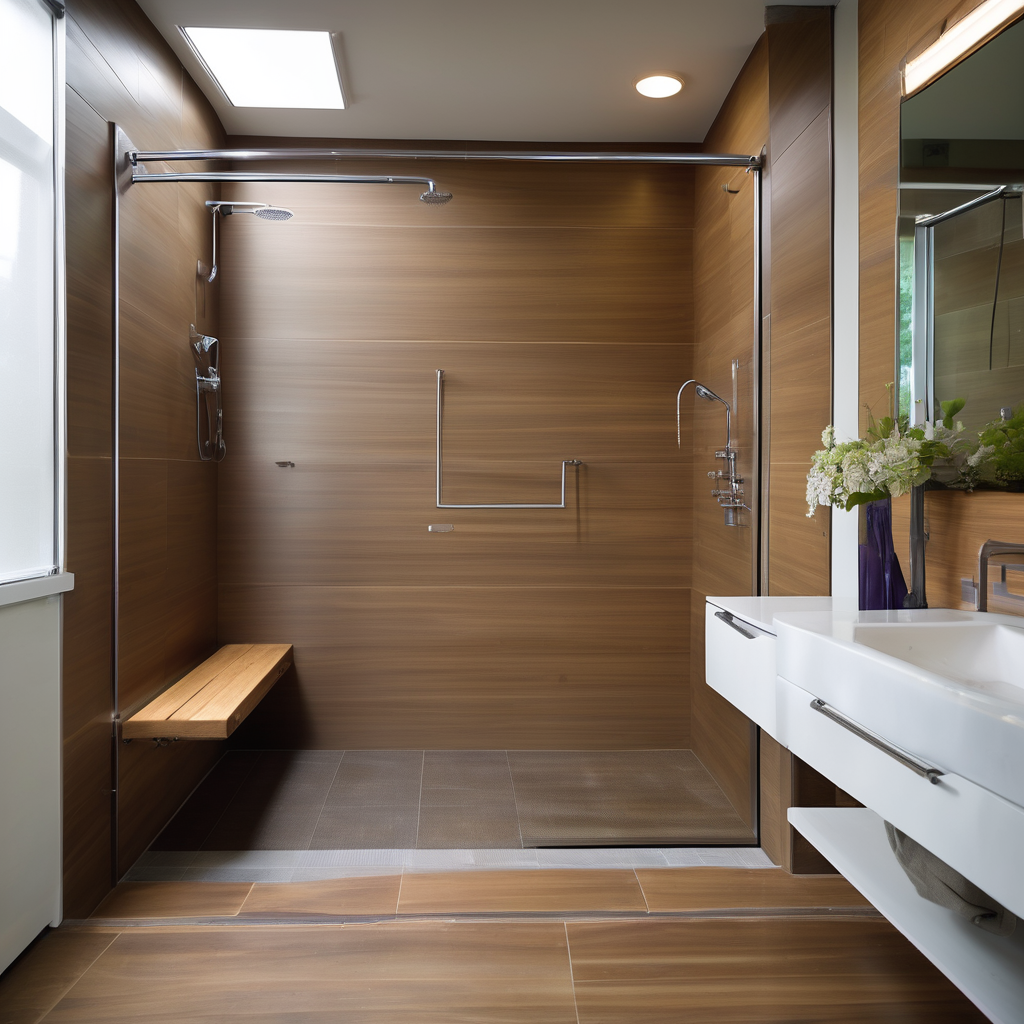
- Zero-Threshold Entry: A curbless, "roll-in" shower is the gold standard. It eliminates tripping hazards and allows seamless access for walkers or shower wheelchairs.
- Integrated Benches: A built-in, reinforced shower bench is far superior to flimsy plastic stools. It should be spacious, durable, and rated for a bariatric weight load (500-1,000 lbs).
- Handheld Shower Wand: A long-hosed, handheld showerhead allows for thorough, comfortable bathing while seated.
- Non-Slip Surfaces: Use high-traction, textured tiles on the shower floor to prevent falls.
4. The Lifeline: Grab Bars and Structural Support
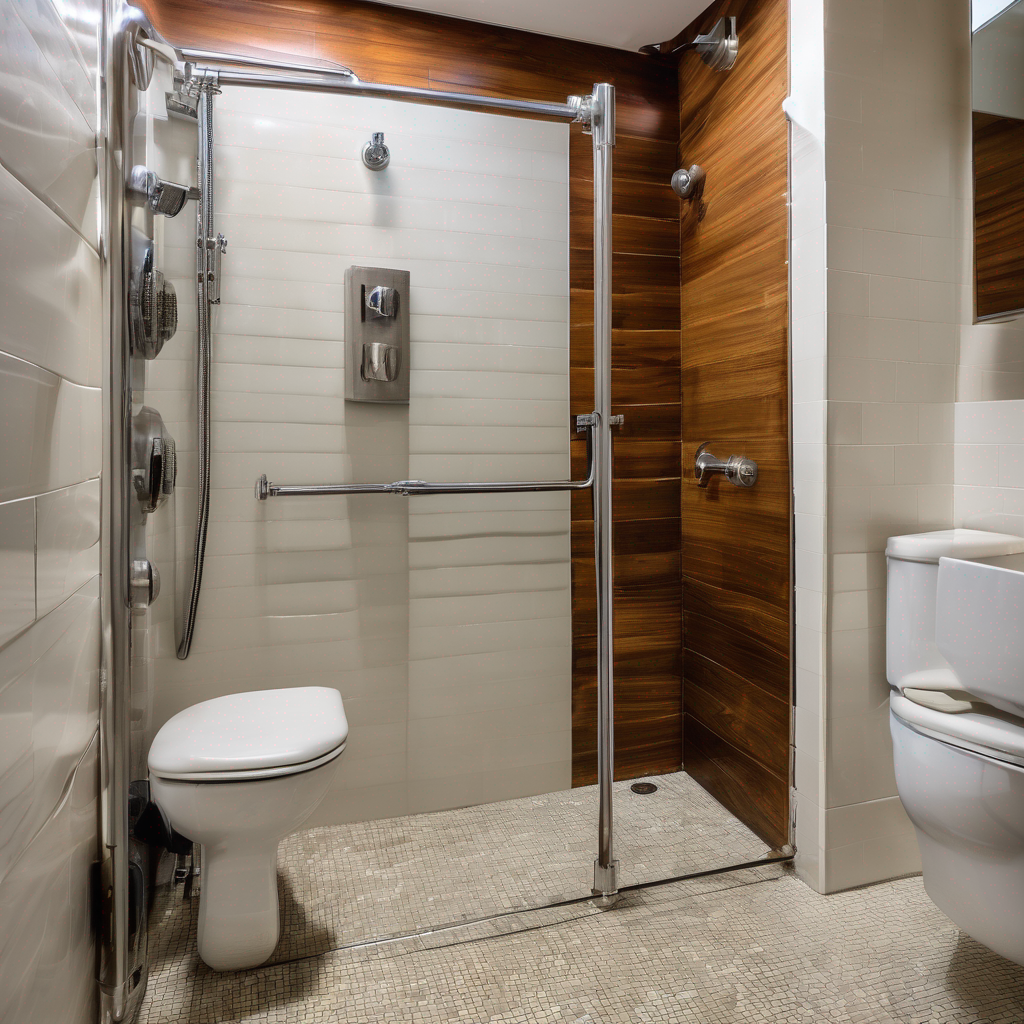
Grab bars are not accessories; they are essential safety equipment. Proper selection and installation are critical. They must be anchored into solid wood blocking within the walls, not just drywall or tile.
- Bariatric Rating: Standard grab bars are often insufficient. Bariatric-rated grab bars are constructed with larger diameters and heavier-gauge steel, supporting 800-1,200 lbs.
- Strategic Placement: Install them horizontally and vertically around the toilet, within the shower, and along pathways to assist with transfers and balance.
- Beyond the Bar: Consider floor-to-ceiling support poles or trapeze bars for users who need assistance with more significant transfers, for example, from a wheelchair to the toilet.
Material Matters
Opt for textured or "peened" stainless steel grab bars. They provide a much better grip, especially when wet, compared to smooth, polished chrome finishes.
Frequently Asked Questions (FAQ)
Navigating the specifics of bariatric bathroom design can be complex. Here are answers to some common questions.
What's the difference between ADA compliance and bariatric-friendly design?
This is a critical distinction. ADA guidelines are a legal minimum standard designed for a wide range of disabilities, with weight capacities typically rated around 250-300 lbs for fixtures. Bariatric design is a specialized field that goes *beyond* ADA by specifying much higher weight capacities (often 1,000+ lbs), wider dimensions for seating and fixtures, and more robust structural reinforcement to safely accommodate plus-size individuals.
How much weight should a bariatric toilet and grab bars support?
For true bariatric safety, you should look for fixtures with a static load rating of at least 1,000 pounds. Some specialized products are rated even higher. This ensures that the equipment can handle not just the user's weight, but also the dynamic forces applied during movement and transfers. Always check the manufacturer's specifications and ensure installation is done by a professional who understands the need for proper wall blocking and support.
Are walk-in tubs a good option for plus-size accessibility?
While they can be, they also present challenges. The user must be able to step over a small threshold, sit down inside, and then wait for the tub to fill and drain before opening the door. This can be time-consuming and lead to chilling. For many bariatric users, a zero-threshold shower with a comfortable, built-in bench offers greater safety, speed, and ease of access. The best choice depends on the individual's specific mobility and comfort needs.
How can I make an existing small bathroom more accessible?
In a smaller space, smart choices are key. Start by replacing an inward-swinging door with a pocket door or an outward-swinging one to reclaim floor space. Consider a wall-mounted sink instead of a bulky vanity. A corner shower unit can sometimes be more space-efficient than a linear one. Finally, ensure that the available space is maximized with correctly installed, bariatric-rated grab bars and a comfort-height toilet. Every inch counts when designing a bathroom for plus-size individuals on a limited footprint.
Ready to Create a Safer, More Accessible Space?
Investing in a bariatric-friendly bathroom is an investment in independence, dignity, and quality of life. The right design choices transform a daily necessity into a comfortable and secure experience.
Consult with an Expert