The Proactive Payoff: Unpacking the Financial Case for Remodeling for Accessibility Before It Becomes a Necessity

Most homeowners view accessibility remodeling as a reactive measure—a costly, urgent need after a fall or diagnosis. This guide reframes the conversation, revealing it as one of the most powerful financial strategies for preserving wealth, increasing home value, and securing long-term independence.
The conversation around aging in place often focuses on comfort and dignity, which are immeasurably important. Yet, a parallel, equally critical narrative is often overlooked: the cold, hard numbers. The decision to modify a home for future needs is not an expense; it's a calculated investment with profound financial implications. Waiting for a crisis to force your hand is akin to buying insurance after the house has caught fire—the options are limited, the costs are exorbitant, and the outcome is rarely optimal.
This deep-dive analysis will dissect the financial case for remodeling for accessibility before it becomes a necessity, moving beyond abstract benefits to concrete dollars and cents. We will explore the dramatic cost differential between proactive planning and reactive emergencies, the tangible ROI of universal design, and the staggering hidden costs of inaction.
Chapter 1: The Precipice of Crisis—Planned vs. Emergency Remodeling Costs
The single greatest financial mistake a homeowner can make is delaying accessibility modifications until an emergency. A sudden health event transforms a discretionary project into a non-negotiable, time-sensitive crisis. This shift in urgency completely upends the economic equation.
The Proactive Plan
- Cost Control: Ample time to get multiple bids, vet contractors, and select cost-effective materials.
- Quality & Design: Thoughtful integration of features that are beautiful and functional, not just clinical.
- Scheduling Power: Work can be scheduled during a contractor's off-season for potential discounts.
The Reactive Crisis
- Price Gouging: Desperation leads to accepting the first available (and often most expensive) contractor. Rush fees are common.
- Compromised Solutions: Focus is on speed, not quality or aesthetics. The result is often a "quick fix" that devalues the home.
- Massive Disruption: A loved one may need to stay in a costly rehab facility or hotel while the rushed work is completed.
An emergency bathroom remodel can easily cost 30-50% more than a planned project due to these factors alone. A $15,000 planned walk-in shower installation can balloon to $22,000 or more when executed under duress.
Chapter 2: Accessibility as an Appreciating Asset—Boosting Home Value
Universal design is no longer a niche market. With 10,000 Americans turning 65 every day, the demand for accessible homes is exploding. Features once considered "specialty" are now powerful selling points that broaden your home's appeal to a massive and growing buyer demographic.
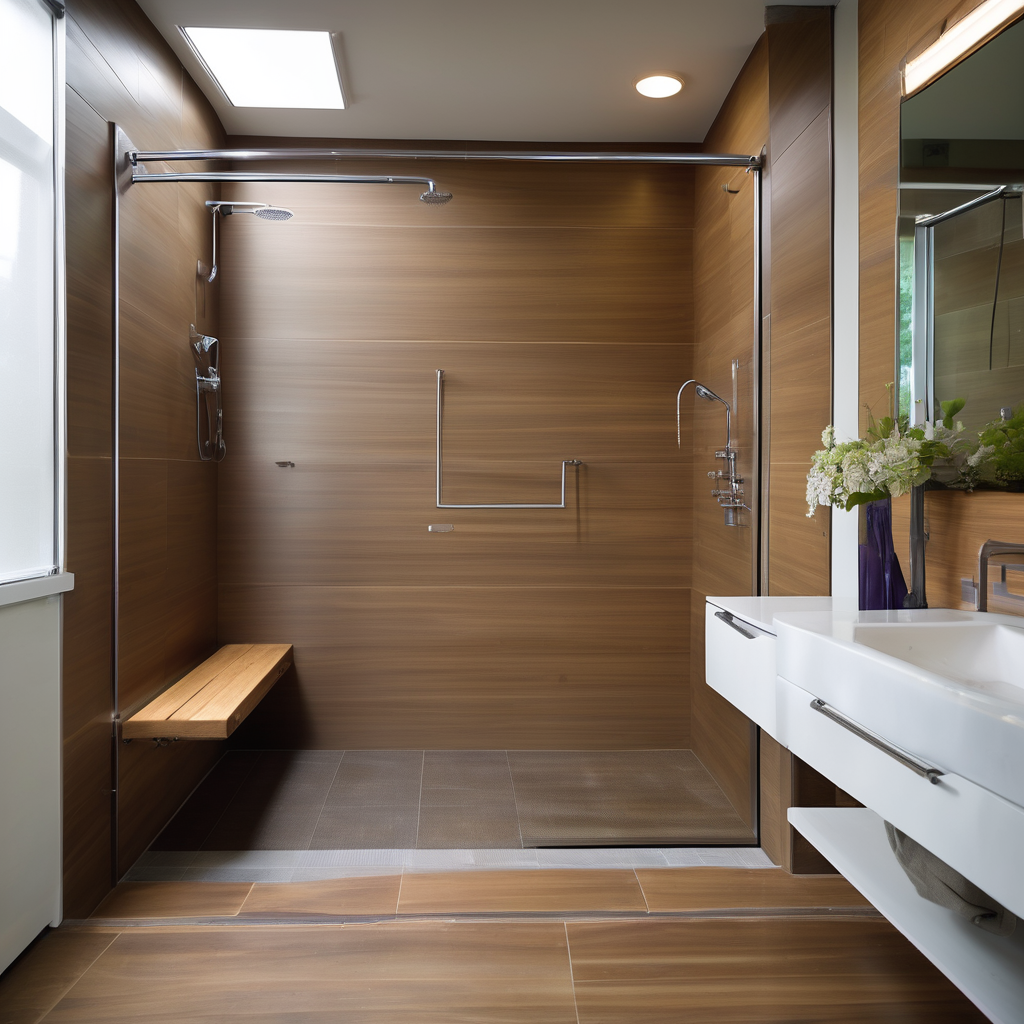
A 2021 study by the National Association of Realtors found that a significant portion of buyers aged 55 and older are willing to pay more for homes with accessibility features. Remodeling proactively allows you to install these features with high-end, aesthetically pleasing materials that seamlessly integrate into your home's design. This transforms a medical necessity into a luxury upgrade. A well-designed curbless shower, for example, is a coveted feature in any modern, high-end bathroom, regardless of the owner's age or ability. This is a crucial part of the economic argument for early accessibility renovations.
Chapter 3: The Astronomical Cost of Inaction—Assisted Living vs. Aging in Place
The most compelling financial argument for proactive remodeling lies not in the cost of the project itself, but in the cost of the alternative. An inaccessible home is often the primary driver for a premature move into an assisted living facility.
The Financial Reality Check
$60,000+
The average annual cost for a private room in an assisted living facility in the United States, according to Genworth's Cost of Care Survey. This cost is rarely covered by Medicare.
A one-time investment of $20,000 to $40,000 to make a home fully accessible can delay or entirely prevent the need to spend $60,000+ *every single year*. From a purely financial perspective, the ROI is realized in under twelve months. This doesn't even account for the financial drain of medical bills from falls—the leading cause of fatal and non-fatal injuries among older adults—which are significantly reduced in an accessible environment.
Chapter 4: A Phased and Strategic Approach
Understanding the financial case for remodeling for accessibility doesn't mean you have to do everything at once. A strategic, phased approach allows you to manage costs over time while prioritizing the most impactful changes.
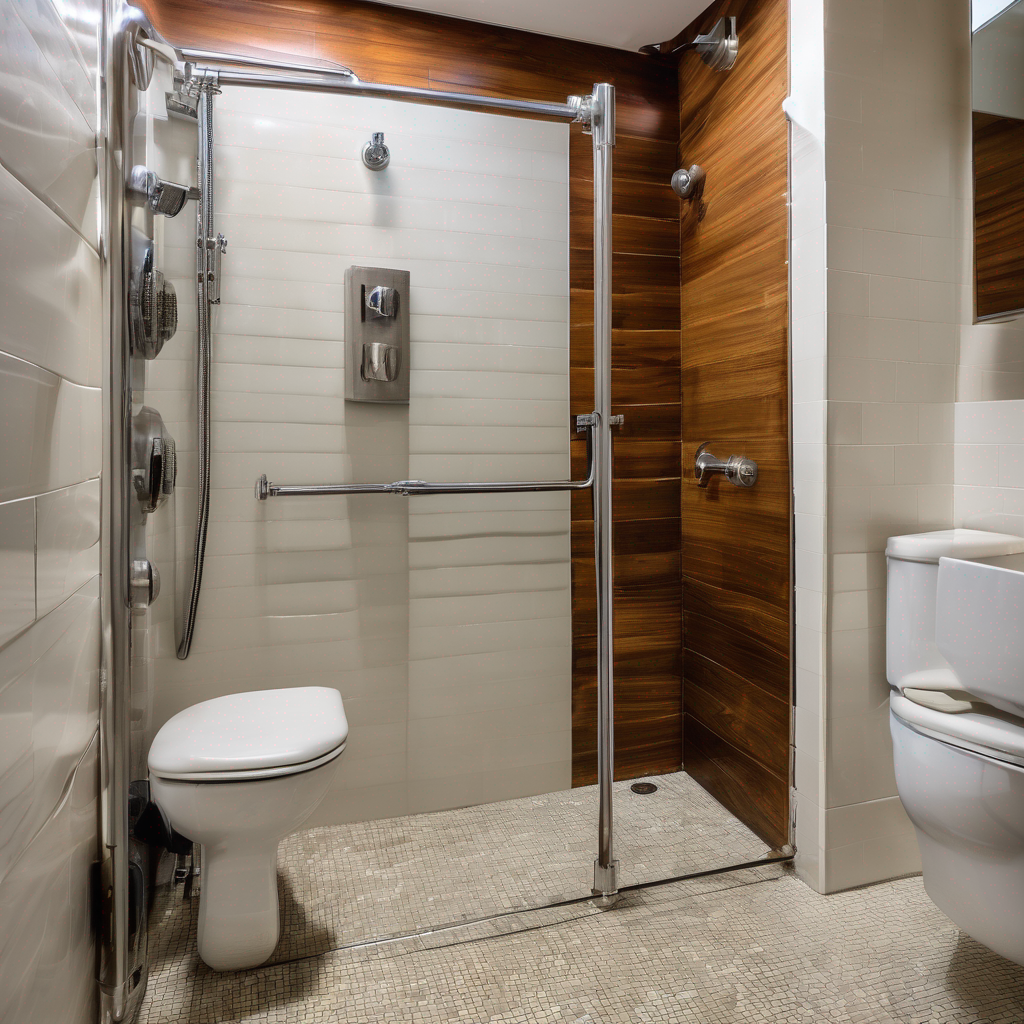
- Phase 1 (5-10 Years Out): Focus on low-cost, high-impact universal design. Install lever-style door handles and faucets, upgrade task lighting in the kitchen and bathrooms, and add decorative grab bars that double as towel racks.
- Phase 2 (2-5 Years Out): Address the major "wet areas." When planning a standard bathroom remodel, incorporate a zero-threshold shower and a comfort-height toilet. These choices add minimal cost to a planned project but are prohibitively expensive to retrofit later.
- Phase 3 (As Needed): Address entry and mobility. Widen a key doorway during a flooring update or plan for a stylish, integrated ramp when re-doing landscaping.
Financial Questions About Proactive Accessibility
Key considerations for homeowners planning their financial future.
How much can I really save by remodeling proactively versus in an emergency?
The savings are substantial. Emergency remodels often incur rush fees, limited contractor choice (leading to higher bids), and costly temporary housing. A planned project allows for competitive bidding, material research, and efficient scheduling. It's common to see a 30-50% cost premium for reactive work. A $20,000 planned project could easily cost $30,000 in a crisis.
Will making my home accessible hurt its resale value by making it look "clinical"?
This is a common myth based on outdated design. Modern universal design emphasizes beautiful, seamless integration. A curbless, walk-in shower with a sleek linear drain is a luxury feature. Stylish grab bars now come in designer finishes that match your faucets. Wider doorways and open-concept layouts are desirable to all buyers. When done proactively and thoughtfully, these features increase marketability and home value, appealing to a broader range of buyers.
What are the top accessibility upgrades with the best financial ROI?
The highest ROI comes from modifications that prevent the single most expensive alternatives: falls and moving to assisted living. Therefore, the top 3 are:
1. Zero-Threshold/Walk-In Shower: Drastically reduces the risk of bathroom falls.
2. Main-Floor Living Conversion: Modifying or adding a bedroom and full bath on the main floor eliminates the daily risk of stairs.
3. Improved Lighting: A low-cost upgrade that significantly reduces trip hazards and eye strain, preventing accidents.
Can I get tax breaks or financial assistance for accessibility renovations?
Yes, potentially. Capital expenses for home improvements made for medical care reasons can be deductible as medical expenses. If the improvements increase the value of your home, the deductible amount is the cost minus the increase in value. However, if they don't increase the home's value (like adding grab bars), the full cost may be deductible. Additionally, there are VA grants (SAH, HISA) and various state and local programs. It is crucial to consult with a tax professional and a certified aging-in-place specialist (CAPS) to explore all available options.
Secure Your Future: Invest in Your Home
The financial case for remodeling for accessibility before it becomes a necessity is overwhelming. It is a strategic move to protect your health, your independence, and your financial legacy. Don't wait for a crisis to make the most important investment in your future. Plan today.