The Post-Remodel Inspection: A Checklist to Ensure Your New Bathroom Meets Your Accessibility Needs

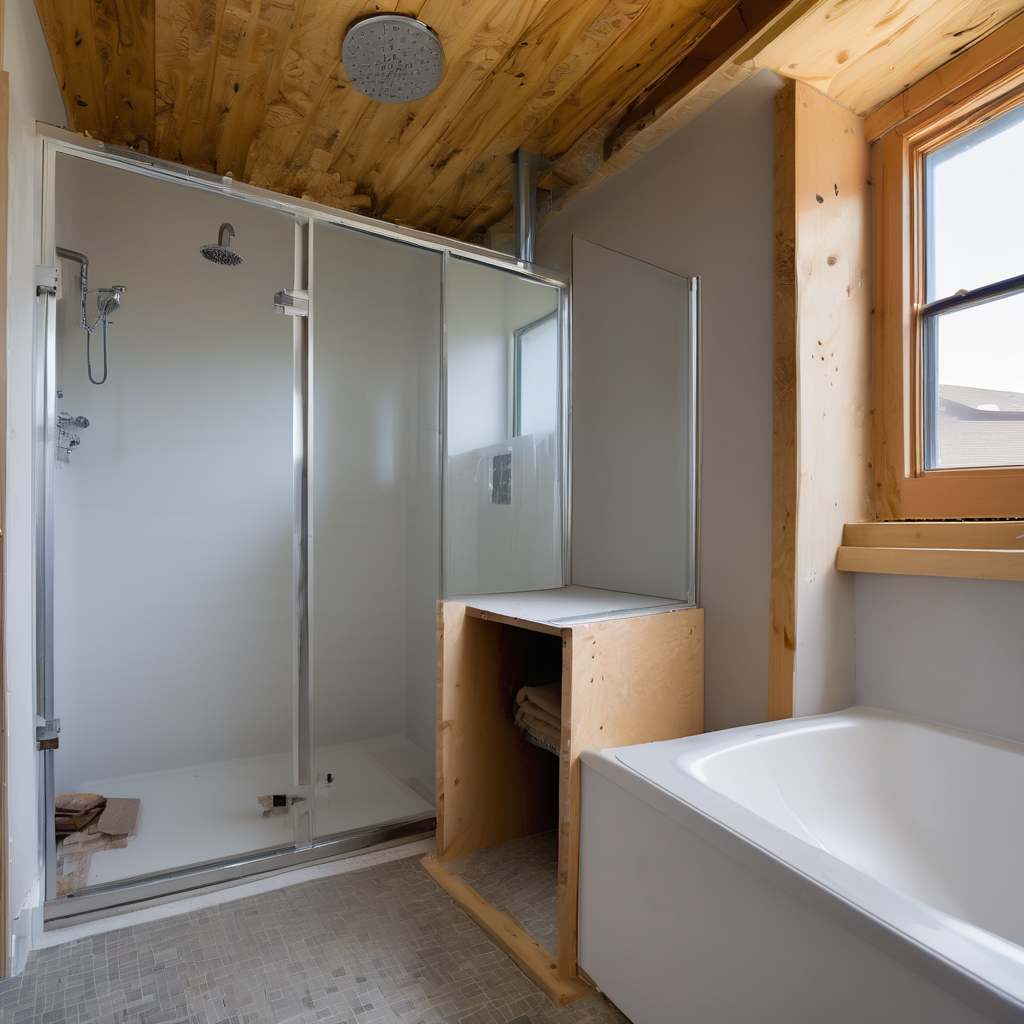
Remodeling a bathroom can be an exciting yet daunting task, especially when accessibility is a priority. Ensuring that your new bathroom meets your specific accessibility needs is crucial for safety, comfort, and independence. In this guide, we’ll walk you through a comprehensive checklist to inspect your newly remodeled bathroom, ensuring it caters to those needs efficiently.
1. Entry and Exit Points
The first step is to evaluate the entry and exit points of your bathroom. Consider the following:
- Door Width: Is the doorway at least 32 inches wide to accommodate wheelchairs or walkers?
- Thresholds: Ensure they are no more than half an inch high to prevent tripping.
- Handles: Are door handles easy to grip and operate?
2. Flooring
Choosing the right flooring is crucial to prevent slips and falls.
- Non-Slip Surface: Does the flooring have a non-slip texture?
- Level Flooring: Ensure the floor is even with no sudden changes in height.
3. Shower and Bath Accessibility
Assess the accessibility of your shower and bath area with these considerations:
- Walk-in Shower: Is there a low or no threshold entry?
- Grab Bars: Are sturdy grab bars installed in accessible locations?
- Shower Seat: Is there a built-in or foldable seat available?
4. Toilet Adaptations
The toilet area should be adapted for ease of use and comfort.
- Height: Is the toilet seat height appropriate for easy transfer?
- Space: Is there adequate space around the toilet for maneuverability?
- Safety Rails: Are there rails to assist with sitting and standing?
5. Sink and Vanity
Ensure that the sink area is accessible and user-friendly.
- Height and Clearance: Is the sink at a comfortable height with knee clearance for wheelchair users?
- Faucet Controls: Are they easy to reach and operate, preferably with lever handles?
FAQs
What are the key considerations for an accessible bathroom remodel?
Key considerations include door width, non-slip flooring, accessible shower and toilet designs, safety features like grab bars, and ensuring all fixtures are within reach and easy to operate.
How can I make my shower more accessible?
Consider installing a walk-in shower with no or low threshold, adding grab bars, and including a shower seat. Ensure the shower controls are reachable from a seated position.
Why is non-slip flooring important in a bathroom?
Non-slip flooring is vital to prevent slips and falls, which are common in wet areas like bathrooms. It enhances safety, especially for individuals with mobility challenges.
Are there specific materials recommended for accessible bathrooms?
Yes, materials such as vinyl or textured tiles are often recommended for their durability and slip-resistant properties. Ensure any materials chosen are easy to clean and maintain.
Conclusion
Completing a post-remodel inspection with this checklist ensures that your bathroom not only meets your aesthetic desires but also fulfills essential accessibility requirements. With careful planning and attention to detail, your newly remodeled bathroom can provide a safe, comfortable, and independent experience for all users.