The Ultimate Guide to Choosing Accessible Vanity Cabinets and Open-Shelf Storage

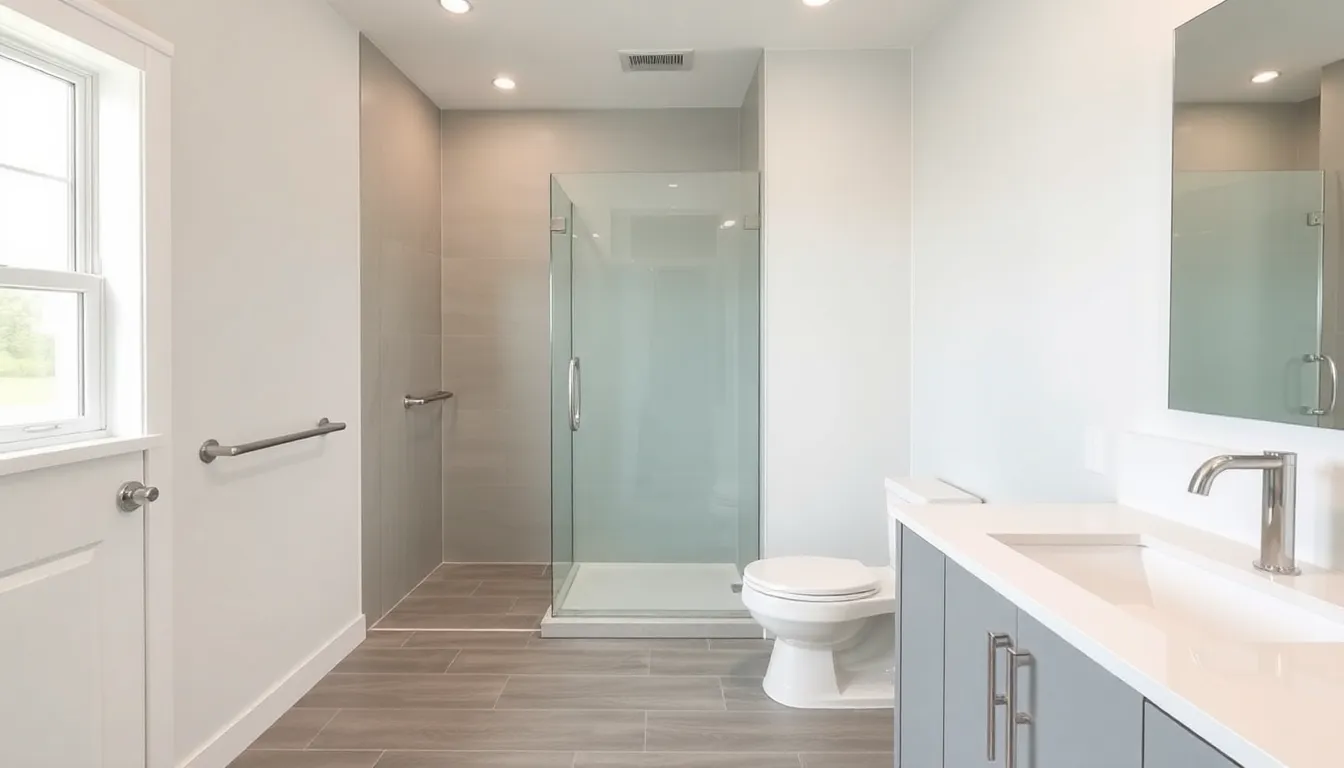
The bathroom should be a sanctuary of comfort and independence, not a daily challenge. For individuals with mobility limitations, the standard bathroom vanity can be a significant barrier. This guide is your definitive resource for transforming your bathroom with accessible vanity cabinets and open-shelf storage, blending uncompromising safety with sophisticated design.
Deconstructing Accessibility: What Makes a Vanity "Accessible"?
True accessibility is born from Universal Design—the art of creating spaces usable by everyone, regardless of age, size, or ability. In the bathroom, this translates to specific, measurable standards that prioritize safety, comfort, and ease of use.
Height and Clearance: The Numbers That Matter
The foundation of an accessible vanity lies in its dimensions. These aren't arbitrary figures; they are meticulously defined by the Americans with Disabilities Act (ADA) to ensure access for seated users.
- Countertop Height: The top surface of the vanity must be no more than 34 inches from the finished floor.
- Knee Clearance: A clear space of at least 27 inches high, 30 inches wide, and 11-17 inches deep is required under the sink to accommodate a wheelchair user's knees.
- Toe Clearance: A minimum of 9 inches of vertical clearance from the floor is needed for footrests.
Reach and Operation: Bringing Everything Closer
An accessible vanity isn't just about space—it's about effortless interaction. Faucet controls, soap dispensers, and storage must be within easy reach from a seated position, and operable with minimal force. This often means choosing lever-handled or touchless faucets and ensuring storage doesn't require complex twisting or tight grasping.
The Great Debate: Accessible Vanity Cabinet Types
With ADA guidelines as our blueprint, we can explore the primary types of accessible vanities. Each offers a unique blend of functionality and aesthetic appeal, and this guide to selecting roll-under bathroom storage will help you find the perfect fit.
The Floating Champion: Wall-Mounted Vanities
Wall-mounted or "floating" vanities are the gold standard for accessibility. By mounting directly to the wall, they leave the floor entirely clear, providing unparalleled knee and toe clearance. This design not only maximizes accessibility but also creates a clean, modern aesthetic and makes cleaning the floor a breeze.
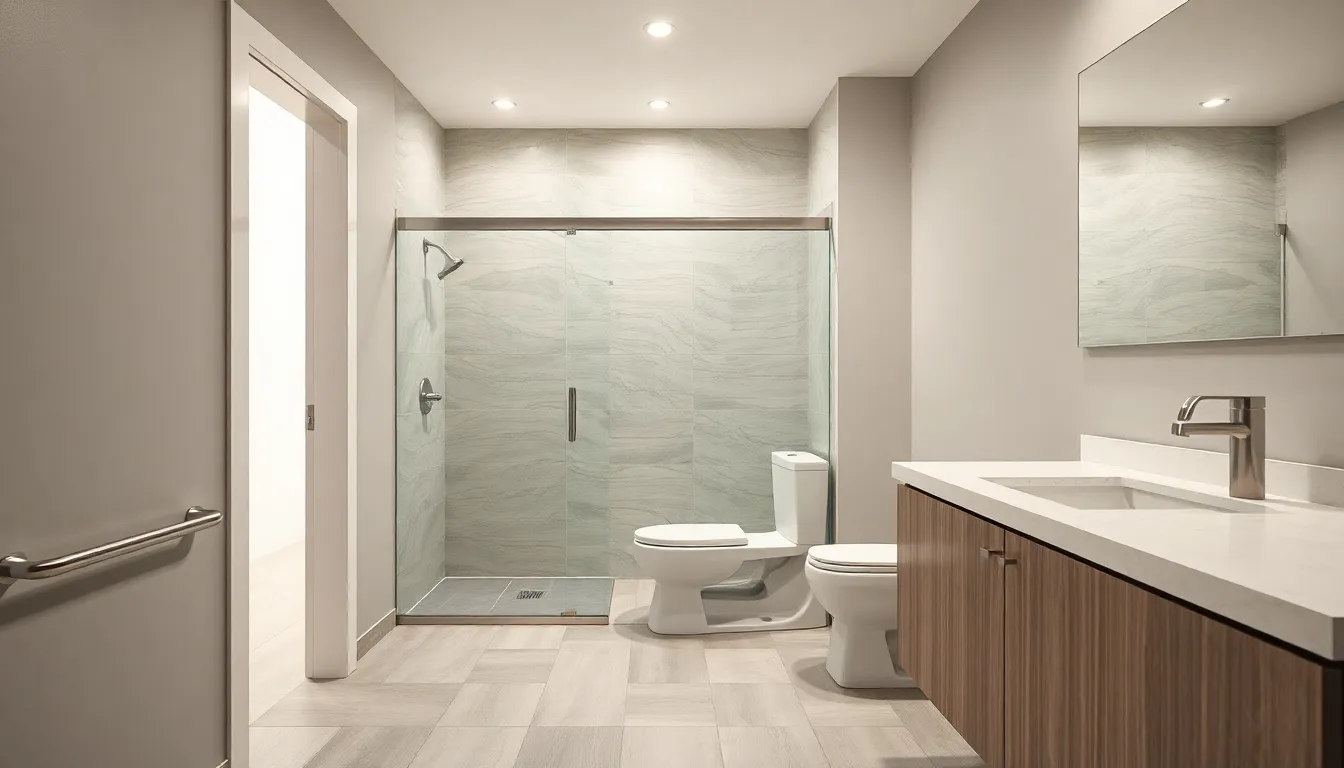
Pros: Maximum clearance, contemporary look, easy floor maintenance.
Cons: Requires robust wall reinforcement and professional installation is non-negotiable to ensure safety and stability.
The Stylish Hybrid: Console Vanities
Console vanities offer a fantastic compromise between traditional cabinets and fully open designs. They stand on legs, providing necessary clearance underneath while often incorporating a lower open shelf for towel or basket storage. The exposed plumbing can become a design feature, with finishes like matte black or brushed gold adding a touch of industrial or luxury chic.
The Power of Open-Shelf Storage in Accessible Design
In the context of accessibility, open-shelf storage is far more than a design trend—it's a functional revolution. By eliminating doors and drawers, you remove the physical actions of pulling, grasping, and swinging. Items are visually accessible and can be retrieved with a simple reach.
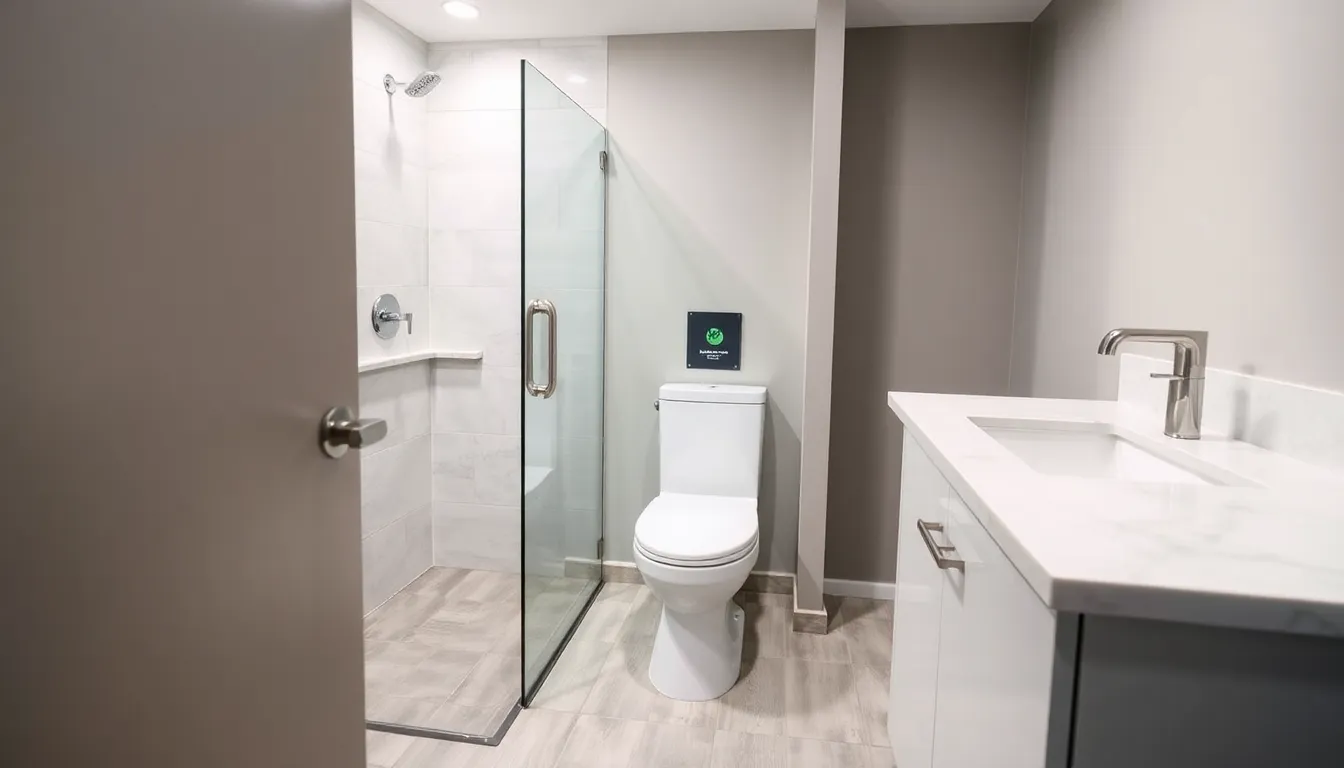
Strategically placed shelves—next to the sink for daily toiletries, lower down for towels—can drastically improve a bathroom's usability. For those who still desire some concealed storage, the best open-shelf solutions for wheelchair users often involve a hybrid approach: a small bank of drawers with easy-to-use D-pulls paired with ample open shelving.
Material, Finishes, and Fixtures: The Devil is in the Details
The final components you choose are critical for both safety and longevity. This part of our ADA compliant vanity cabinet guide ensures every detail is considered.
- Countertops: Opt for durable, non-porous materials like quartz or solid surface. Crucially, ensure the front edge is rounded or eased to prevent sharp corners.
- Sinks: A shallow-basin sink is ideal as it maximizes the available knee clearance beneath the counter.
- Faucets: Single-lever or touchless electronic faucets are the most accessible, as they can be operated with one hand or a closed fist and don't require tight gripping or twisting.
- Plumbing: All hot water and drain pipes under the sink must be insulated or shielded to protect against contact and burns for users with limited leg sensation.
Creating a Bathroom That Works for Everyone
Choosing accessible vanity cabinets and open-shelf storage is about creating a space that empowers. By prioritizing clearance, selecting the right type of unit, and focusing on user-friendly details, you can build a bathroom that is safe, highly functional, and beautifully designed. It's an investment in independence and quality of life.
Ready to design a bathroom that perfectly fits your needs? Our experts at Urban Design & Remodel specialize in creating beautiful, accessible spaces. Contact us for a consultation and let's build a better bathroom together.
Frequently Asked Questions
What are the exact ADA height and clearance requirements for a bathroom vanity?
According to ADA standards, the countertop surface must be a maximum of 34 inches above the floor. There must be a clear floor space of 30x48 inches in front of the vanity. For roll-under access, you need at least 27 inches of vertical knee clearance, extending 11 to 17 inches deep under the counter.
Can I make my existing vanity accessible, or do I need to replace it?
In some cases, a standard cabinet vanity can be modified by removing the cabinet doors and base to create knee clearance. However, this is often a temporary fix that can look unfinished and may not fully meet clearance requirements. For a truly compliant and aesthetically pleasing solution, replacing the unit with a wall-mounted or console-style vanity is the recommended approach.
Are open shelves difficult to keep clean and organized?
While they do require more regular dusting than closed cabinets, their benefit in accessibility is immense. To maintain organization, use attractive baskets, bins, or trays to group items like medications, cosmetics, or cleaning supplies. This keeps the shelves looking tidy while ensuring items are still easy to grab and move.
What's the best sink type for a roll-under vanity?
The best choice is a shallow-basin or low-profile sink. These sinks have a reduced depth, which maximizes the vertical space underneath for knee clearance without compromising the 34-inch maximum counter height. Integrated sinks, where the sink and countertop are one seamless piece of material, are also excellent as they eliminate any lip or seam, making them easier to clean.
Besides the vanity, what else should I consider for an accessible bathroom?
A fully accessible bathroom is a complete system. Beyond the vanity, consider installing grab bars near the toilet and in the shower, a comfort-height toilet, a curbless or walk-in shower, non-slip flooring, and accessible lighting controls. Ensuring adequate turning radius (typically a 60-inch diameter circle) for a wheelchair is also paramount.
Ready to Transform Your Home?
Contact us today for your project estimate. We serve West Jordan, South Jordan, Riverton, Herriman, Draper, and all of Salt Lake County.