
Plumbing & Accessibility Specialists
Wall-Mounted vs. Comfort-Height Toilets: A Definitive Accessibility Guide

The bathroom should be a sanctuary of comfort and independence. Yet, for millions—seniors aging in place, individuals with disabilities, or anyone with mobility challenges—it can be a source of daily frustration. Central to this experience is the toilet, an often-overlooked fixture that holds profound implications for safety and dignity. In the modern era of home design, two contenders have emerged to address these needs: the familiar, ADA-approved comfort-height toilet and the sleek, space-saving wall-mounted toilet. But when it comes to a comprehensive wall-mounted vs. comfort-height toilet accessibility analysis, which one truly delivers superior function? This guide moves beyond aesthetics to give you the definitive answer.
Chapter 1: Deconstructing the Contenders
Before we can compare, we must understand the fundamental design philosophies behind each option.
The Comfort-Height Toilet: The Established Standard
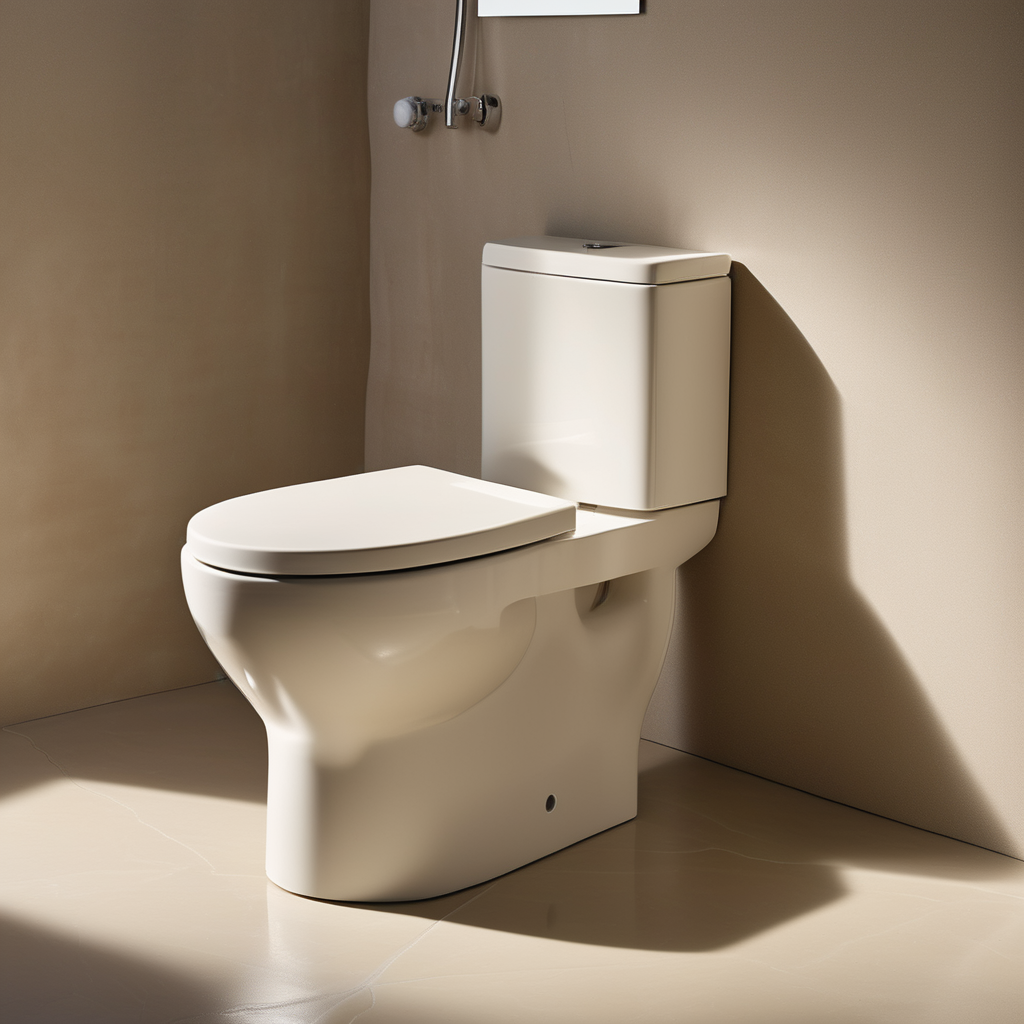
A comfort-height toilet, also known as "right height" or "universal height," is defined by its seat height. To be compliant with the Americans with Disabilities Act (ADA), the toilet seat must be 17 to 19 inches from the finished floor. This is a noticeable increase from the standard 15-inch height of traditional toilets. The ergonomic benefit is simple and powerful: the taller profile reduces the distance one has to lower themselves, making it significantly easier to sit and stand. This is especially beneficial for users with knee, hip, or back pain, and for taller individuals in general.
- Core Advantage: Directly addresses the physical strain of sitting and standing.
- Installation: Typically a direct, straightforward replacement for an existing floor-mounted toilet.
- Footprint: Occupies a standard amount of floor space.
The Wall-Mounted Toilet: The Modern Challenger
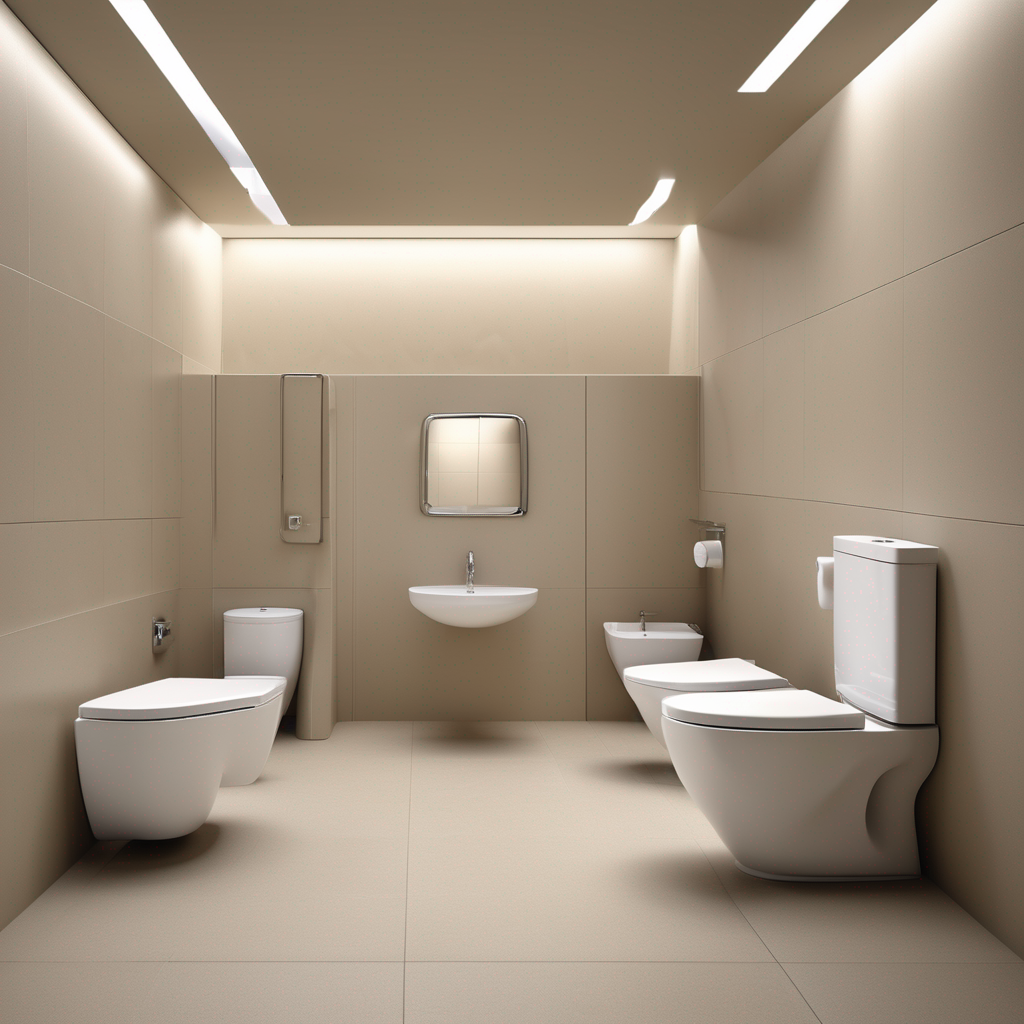
A wall-mounted (or wall-hung) toilet represents a radical departure in design. The bowl is mounted directly to the wall, while the tank and plumbing are concealed behind it within a sturdy carrier system. This "floating" appearance is visually striking, but its primary accessibility advantage lies not in its looks, but in its fundamental flexibility.
- Core Advantage: The mounting height is completely customizable during installation.
- Installation: Complex, requiring wall-opening, framing for the carrier, and specialized plumbing.
- Footprint: Zero floor footprint, creating unobstructed space beneath the bowl.
Chapter 2: The Accessibility Showdown: A Feature-by-Feature Analysis
Now, let's pit these two designs against each other across the criteria that matter most for a truly accessible bathroom. This is where the true accessibility comparison of wall-hung and ADA-compliant toilets becomes clear.
Criterion 1: Seat Height & Customization
A comfort-height toilet offers a fixed 17-19 inch height. This is excellent for many, but a one-size-fits-all solution rarely fits everyone perfectly. A wall-mounted toilet, however, can be set at any height during installation—from a lower height for petite users to a precise height that aligns perfectly with a wheelchair seat for seamless, lateral transfers.
Verdict: Wall-Mounted offers unparalleled customization.
Criterion 2: Floor Space & Maneuverability
This is where the wall-mounted toilet shines brightest. By lifting the bowl off the ground, it frees up critical floor space. This makes navigating with a walker or wheelchair significantly easier, provides more room for a caregiver to assist, and allows users to position their feet exactly where needed for stability when standing up.
Verdict: Wall-Mounted is the undisputed champion of space.
Criterion 3: Cleaning & Hygiene
A floor-mounted toilet's base is a notorious trap for dust, grime, and germs. Cleaning around the bolts and caulking is difficult for anyone, and nearly impossible for someone with limited mobility. The wall-mounted toilet eliminates this problem entirely. A quick pass with a mop or cloth underneath is all it takes, promoting a more sanitary environment with less physical effort.
Verdict: Wall-Mounted for superior hygiene and ease of cleaning.
Criterion 4: Stability & Weight Capacity
There's a common misconception that wall-mounted toilets are fragile. This is false. When installed correctly with a high-quality in-wall carrier system (like those from Geberit or Grohe), they are incredibly robust. Standard carriers are rated to support 500 pounds, and heavy-duty models can support 880 pounds or more—often exceeding the stability of a floor-bolted unit.
Verdict: A tie, assuming professional installation.
Criterion 5: Installation & Cost
Here, the comfort-height toilet has a clear advantage. Installation is simple, often a DIY project for the handy, and the upfront cost of the unit is significantly lower. Wall-mounted toilets require a major renovation: opening the wall, installing the carrier, re-routing plumbing, and then drywalling and finishing. This means higher costs for both the fixture and the specialized labor required.
Verdict: Comfort-Height is far more budget-friendly and simpler to install.
The Verdict: Making the Final Decision Between a Wall-Hung and an ADA-Compliant Toilet
As our analysis shows, the "better" toilet is not a universal truth; it's a decision based on individual needs, budget, and the scope of your project.
Choose a Comfort-Height Toilet if:
- You are working with a limited budget.
- You need a quick, simple upgrade without a full bathroom remodel.
- Your accessibility needs are met by the standard 17-19 inch height.
- You are a renter or live in a residence where structural wall changes are not possible.
Choose a Wall-Mounted Toilet if:
- You are planning a new build or a complete bathroom renovation.
- Maximizing clear floor space for a wheelchair or walker is your highest priority.
- You require a very specific, non-standard seat height for safe transfers.
- Long-term hygiene, ease of cleaning, and modern design are as important as accessibility.
Frequently Asked Accessibility Questions
Are all comfort-height toilets ADA-compliant?
Not necessarily. While most are, the term "comfort height" is often used by manufacturers for any toilet with a seat height over 16.5 inches. To be truly ADA-compliant, the seat height must fall within the 17-19 inch range. Always check the product specifications for official ADA certification if this is a requirement for your needs.
How much weight can a wall-mounted toilet actually hold?
This is a common concern, but modern systems are incredibly strong. A standard in-wall carrier system from a reputable brand is tested and rated to support a minimum of 500 lbs (227 kg). Heavy-duty models are available that support up to 880 lbs (400 kg) or more. The strength is in the steel carrier frame, not the porcelain bowl, and it is more than sufficient for virtually any user when installed by a professional.
Can I install a wall-mounted toilet in an existing bathroom?
Yes, but it qualifies as a major renovation, not a simple swap. It requires opening the wall behind the toilet to install the carrier frame and concealed tank, re-routing the waste and water lines, and then closing and refinishing the wall. While absolutely possible, it is a much more involved and costly project than simply replacing a floor-mounted unit.
What is the cost difference between installing a wall-mounted vs. comfort-height toilet?
The total cost for a wall-mounted toilet installation is significantly higher. A good quality comfort-height toilet might cost $200-$500 plus a few hours of standard plumbing labor. A wall-mounted system involves purchasing the bowl, the in-wall carrier/tank system (often $300-$800+ alone), and the actuator plate, plus extensive labor from a plumber and potentially a carpenter/drywaller. Expect the total project cost to be 3 to 5 times higher for a wall-mounted installation.
Conclusion: Empowering Your Choice
Ultimately, the debate over which toilet is better for accessibility concludes with a personal verdict. The comfort-height toilet offers an effective, affordable, and accessible solution for a wide range of needs. The wall-mounted toilet, while a greater investment, provides an unparalleled level of customization, space-saving, and hygiene that can be truly life-changing for users with specific and significant mobility requirements. By understanding these core trade-offs, you are now equipped to design a bathroom that doesn't just meet a standard, but perfectly serves the individual.