When designing an accessible bathroom, the primary focus is rightfully on elements like grab bars, walk-in showers, and appropriate toilet height. These are the cornerstones of safety and function. However, one of the most impactful upgrades is often dismissed as a mere luxury: the heated floor. While the comfort of a warm floor is undeniable, its most profound advantages in an accessible setting are far more critical and frequently overlooked.
This guide moves beyond the obvious to uncover **what are the overlooked benefits of installing a heated floor in an accessible bathroom**, reframing it as a fundamental component of modern, compassionate, and effective universal design. It's an investment in well-being that pays dividends in safety, health, and dignity every single day.
1. The Unseen Guardian: Drastic Slip and Fall Prevention
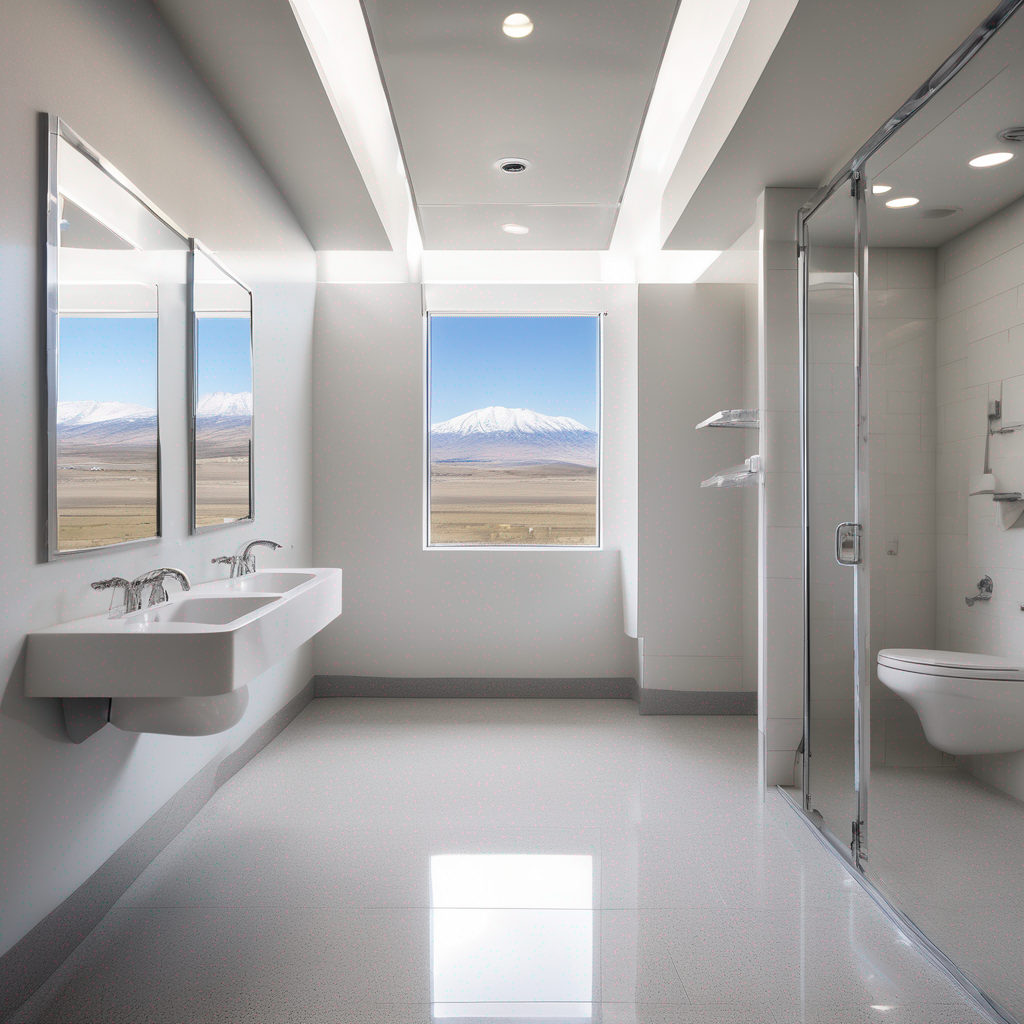
This is arguably the single most important, yet least-discussed, benefit. Bathrooms are high-risk areas for falls, especially for individuals with mobility challenges. In an accessible bathroom featuring a zero-threshold or roll-in shower, water will inevitably find its way onto the main floor area. A conventional floor can remain dangerously slick for an extended period.
A heated floor, however, acts as an active safety system. The radiant heat causes water to evaporate at a dramatically accelerated rate. A floor that might stay wet for an hour is often bone-dry in minutes. This continuous, silent drying action significantly reduces the window of opportunity for a slip, providing a safer environment for users and caregivers alike. It turns the floor itself into a preventative measure.
2. A Healthier Environment: Improved Air Quality and Mold Reduction
Forced-air heating systems (like vents) circulate air, and with it, dust, dander, allergens, and mold spores. For seniors or individuals with respiratory conditions like asthma or COPD, this can pose a significant health risk.
Radiant floor heat works differently. It warms objects and people in the room directly without blowing air. This creates a cleaner, healthier breathing environment. Furthermore, the floor's ability to dry quickly and consistently inhibits the growth of mold and mildew in grout lines and corners—a common problem in damp bathrooms that can compromise air quality and be difficult to clean for someone with limited mobility.
3. The Therapeutic Touch: Soothing Aches and Aiding Circulation
The gentle, consistent warmth from a heated floor offers more than just comfort; it provides tangible therapeutic benefits. For individuals dealing with arthritis, fibromyalgia, neuropathy, or general muscle stiffness, this ambient heat can help soothe chronic pain and ease joint discomfort.
The warmth also promotes better blood circulation in the feet and lower legs, an essential consideration for those with diabetes or circulatory issues. This gentle, passive therapy transforms the daily routine of using the bathroom into a more comfortable and restorative experience.
4. Enhanced Design Freedom and Space Optimization
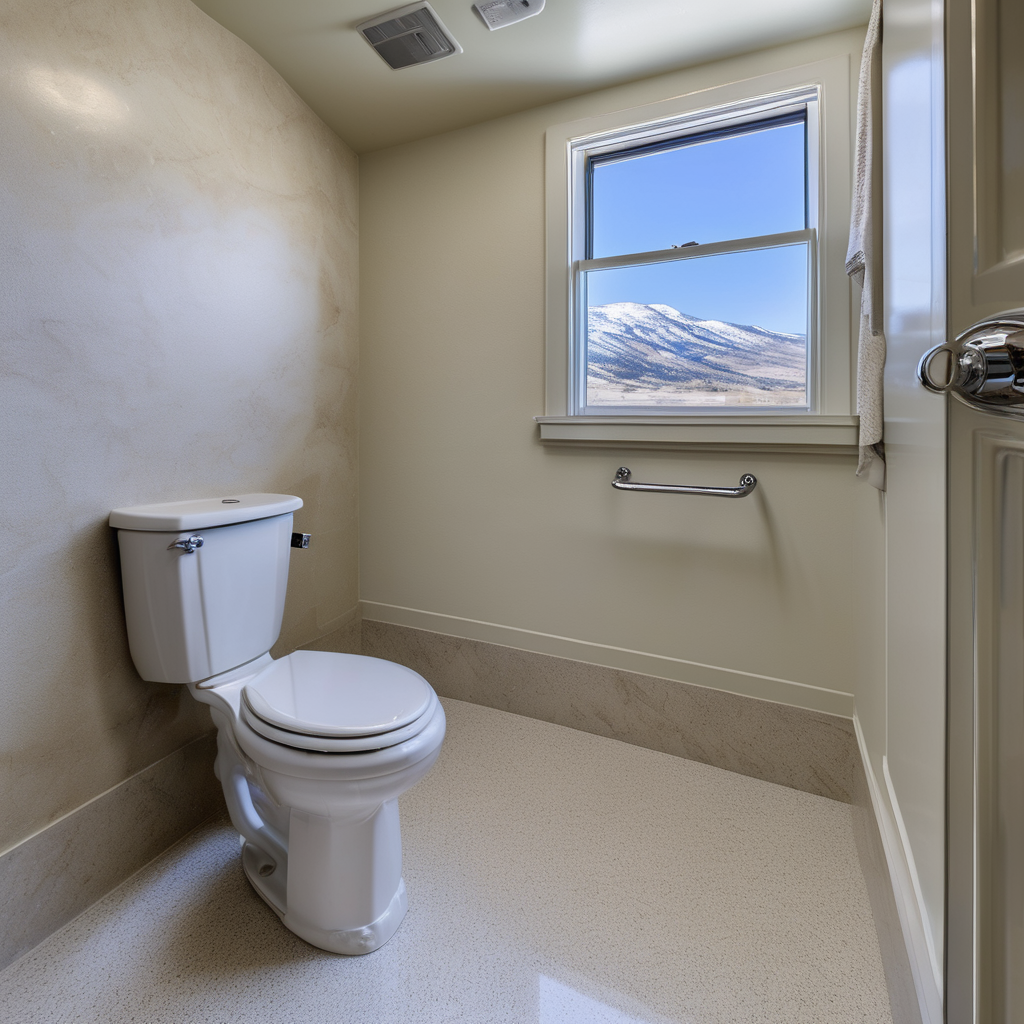
An often-unrealized benefit is the space gained. Traditional heating methods require bulky radiators or floor vents that dictate furniture placement and consume valuable wall or floor space. In an accessible bathroom, where every inch matters for wheelchair turning radius and the strategic placement of grab bars and benches, this is a critical limitation.
Since the entire heating system is invisible beneath the floor, it liberates the design. This allows for a more open, uncluttered, and truly functional layout tailored precisely to the user's needs without compromising on warmth.
Frequently Asked Questions
Is heated flooring compatible with non-slip tiles required for accessible bathrooms?
Absolutely. Radiant floor heating is perfectly compatible with the most common materials used for accessible bathroom floors, including ceramic, porcelain, and natural stone tiles that feature high coefficient of friction (COF) ratings for slip resistance. In fact, the heat enhances the performance of these materials by keeping them dry.
How much does it really cost to run a heated bathroom floor?
Modern electric radiant systems are surprisingly energy-efficient. For a typical bathroom, running the system for several hours a day often costs just pennies. When paired with a programmable or smart thermostat, you can schedule heating for specific times, maximizing comfort while minimizing energy consumption. Because radiant heat makes you feel warmer, you can often lower the main house thermostat, leading to overall energy savings.
Does installing a heated floor raise the floor height and create a trip hazard?
This is a critical question for accessible design. Modern electric heating mats are incredibly thin, some as little as 1/8th of an inch. When installed during a renovation, this minimal height difference is easily absorbed into the layer of thin-set mortar under the tile, resulting in no perceptible change in floor height and ensuring a smooth, zero-threshold transition from the hallway.
How does a heated floor benefit wheelchair users in a wet room?
For wheelchair users, the benefits are multiplied. A heated floor rapidly dries the entire wet room, preventing wheelchair tires from tracking water throughout the rest of the home. This improves household cleanliness and reduces slip hazards in other rooms. Additionally, the ambient warmth makes transferring to a shower bench or toilet a much more comfortable and less jarring experience.
Conclusion: An Investment in Quality of Life
The discussion around **what makes an accessible bathroom truly effective** must evolve beyond the basics. While comfort is a welcome bonus, the overlooked benefits of a heated floor—proactive safety, improved health, therapeutic support, and enhanced independence—elevate it from a feature to a foundational element of dignified living. It is a quiet, invisible system that works tirelessly to create a safer, healthier, and more comfortable personal space.
When planning your next accessible bathroom renovation, consider the profound impact of starting from the ground up. An expertly installed heated floor is more than an upgrade; it's a commitment to a higher standard of care and quality of life.