
The Definitive Guide: What Are the Top Safety Features to Include in a Bathroom Remodel?

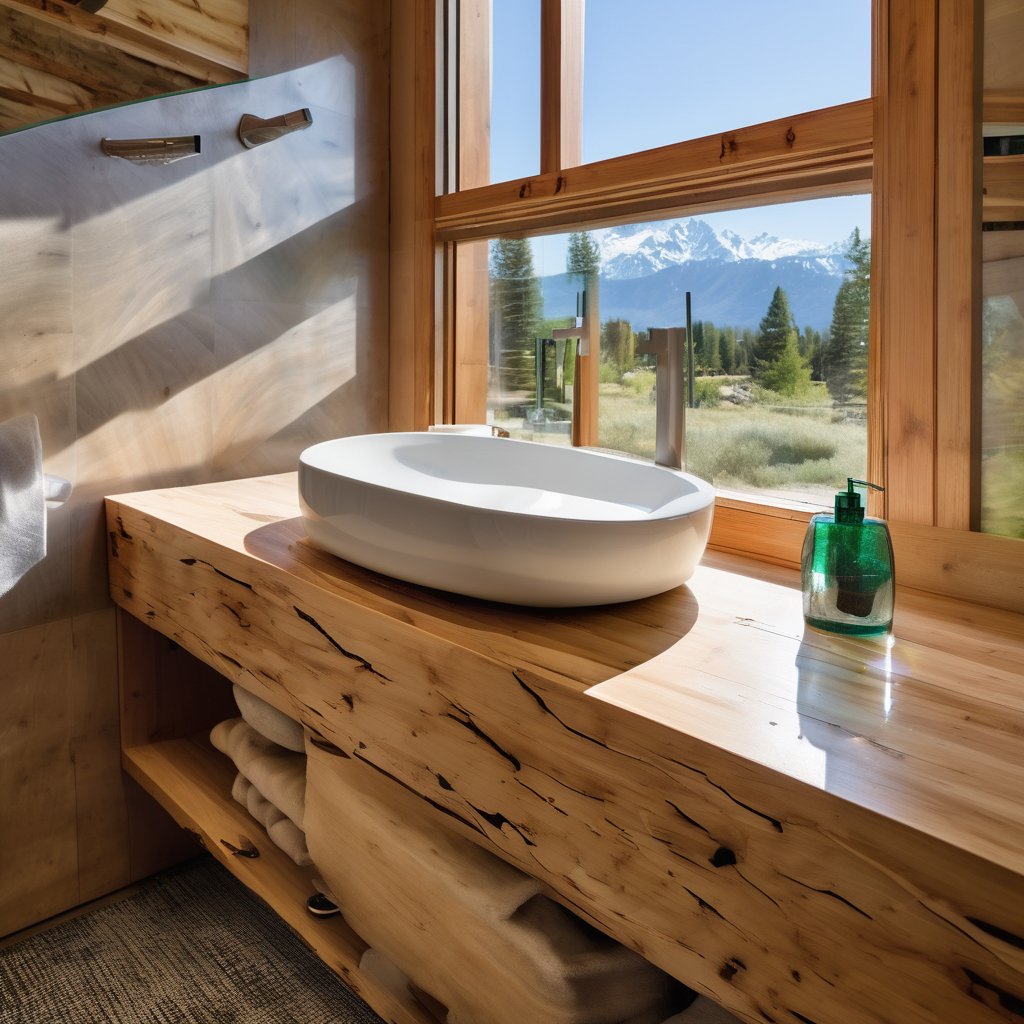
The modern bathroom has evolved beyond mere function; it is a sanctuary for wellness and rejuvenation. Yet, beneath the surface of serene design, it remains statistically one of the most hazardous rooms in any home. A remodel presents the single greatest opportunity to re-engineer this space, transforming potential risks into pillars of safety and accessibility for every member of your family, from toddlers to grandparents. This is not about sterile, clinical additions; it's about intelligent, elegant design that integrates security so seamlessly, it enhances the aesthetic.
This comprehensive guide explores the critical safety upgrades to consider, moving far beyond the obvious to give you a blueprint for a truly future-proofed bathroom.
The Foundation: Flooring, Layout, and Accessibility
Before considering fixtures and technology, safety begins at ground level. The very layout and surfaces of your bathroom dictate its fundamental level of risk.
1. High-Traction, Slip-Resistant Flooring
Water and smooth surfaces are a recipe for disaster. The single most impactful safety upgrade is selecting appropriate flooring. Look for tiles with a high coefficient of friction (COF) rating—a DCOF AcuTest® value of >0.42 is the industry standard for wet areas. Consider these materials:
- Matte-Finish Porcelain or Ceramic: Naturally more textured than their glossy counterparts, many lines are specifically designed for high-moisture environments.
- Luxury Vinyl Tile (LVT): Softer underfoot and inherently water-resistant, LVT offers excellent slip resistance and comes in stunningly realistic wood and stone looks.
- Smaller Tiles with More Grout Lines: The grout lines themselves create additional texture and channels for water, naturally increasing traction. Think mosaic or small hex tiles for a shower floor.
2. The Zero-Threshold (Curbless) Shower
Eliminating the 4-to-6-inch curb at the entrance of a shower is a revolutionary step in bathroom safety and universal design. A curbless shower entry creates a seamless transition from the main bathroom floor, drastically reducing trip hazards. This is an absolute must-have for designing an aging-in-place bathroom, as it allows for easy wheelchair and walker access, but its sleek, modern aesthetic benefits every user.
3. Optimized Layout and Wider Doorways
A cramped bathroom is an unsafe one. During a remodel, consider widening the main doorway to at least 32-36 inches to accommodate mobility aids. Inside, ensure clear, wide pathways between the toilet, sink, and shower. A thoughtfully planned layout prevents awkward maneuvering that can lead to bumps and falls.
Support and Stability: Grab Bars and In-Shower Seating
Stability is paramount, especially on wet surfaces. Modern support systems blend flawlessly into high-end design, shedding their institutional reputation.
4. Strategically Placed Grab Bars
Forget the clinical chrome bars of the past. Today's grab bars come in a vast array of finishes (matte black, brushed nickel, oil-rubbed bronze) and styles, some even doubling as toilet paper holders or shelves. The key is proper placement and installation. They must be anchored into wall studs or specialized blocking, never just drywall. Essential locations include:
- Vertically at the shower entrance.
- Horizontally or diagonally on the shower walls.
- Near the toilet to assist with sitting and standing.
5. Integrated Shower Benches
A built-in or fold-down shower bench is a game-changer for stability. It provides a secure place to sit while washing, prevents fatigue, and makes tasks like shaving legs significantly safer by eliminating the need to balance on one foot. For a luxurious, spa-like feel, consider a full-length bench made from quartz, tile, or teak.
Water and Temperature Control: Preventing Burns and Improving Usability
Beyond slips and falls, water itself presents risks, primarily from scalding temperatures. Modern plumbing technology is a critical component of any safe bathroom renovation plan.
6. Anti-Scald Thermostatic Valves
This is a non-negotiable safety feature, especially in homes with children or elderly adults. A thermostatic mixing valve automatically balances the hot and cold water pressure to maintain a consistent, safe temperature, even if a toilet is flushed or a dishwasher starts elsewhere in the house. It prevents the sudden, dangerous spikes in water temperature that cause severe burns.
7. Easy-to-Use Faucets and Controls
For those with arthritis or limited hand strength, traditional round knobs can be difficult and painful to operate. Opt for single-handle, lever-style faucets for sinks and showers. They are intuitive and require minimal force to adjust water flow and temperature. Paddle-style handles are another excellent, accessible option.
Illumination and Electrical: Lighting the Way to Safety
A poorly lit bathroom is filled with unseen hazards. A layered, thoughtful lighting plan is as much a safety feature as an aesthetic one.
8. Layered and Targeted Lighting
Relying on a single ceiling fixture creates shadows and glare. A comprehensive lighting plan should include:
- Ambient Lighting: A central ceiling fixture or recessed lights for overall illumination.
- Task Lighting: Sconces or a lighted mirror at the vanity to eliminate shadows on the face.
- In-Shower Lighting: A wet-rated recessed light inside the shower stall is crucial for visibility.
- Night Lighting: Low-level, motion-activated lights or under-vanity LED strips provide a safe pathway for nighttime visits without a jarring blast of bright light.
9. GFCI-Protected Outlets
Water and electricity are a lethal combination. All bathroom outlets must be protected by a Ground Fault Circuit Interrupter (GFCI) by code. A GFCI outlet constantly monitors the electrical current and will instantly shut off power if it detects an imbalance, preventing a potentially fatal shock. During a remodel, ensure all outlets are updated to this standard and placed a safe distance from tubs and showers.
Your Bathroom Safety Questions Answered
What is the single most important safety feature for seniors?
Can a safe bathroom still be stylish and modern?
Are there any "smart home" features that improve bathroom safety?
How much extra does it cost to add these safety features to a remodel?
A Proactive Investment in Well-Being
Integrating these top safety features into your bathroom remodel is more than just a practical upgrade—it's a profound investment in the health, independence, and peace of mind of your family. By prioritizing intelligent design from the outset, you can create a space that is not only beautiful and luxurious but also a true sanctuary of safety for years to come.